Shingwedzi – Red rocks road

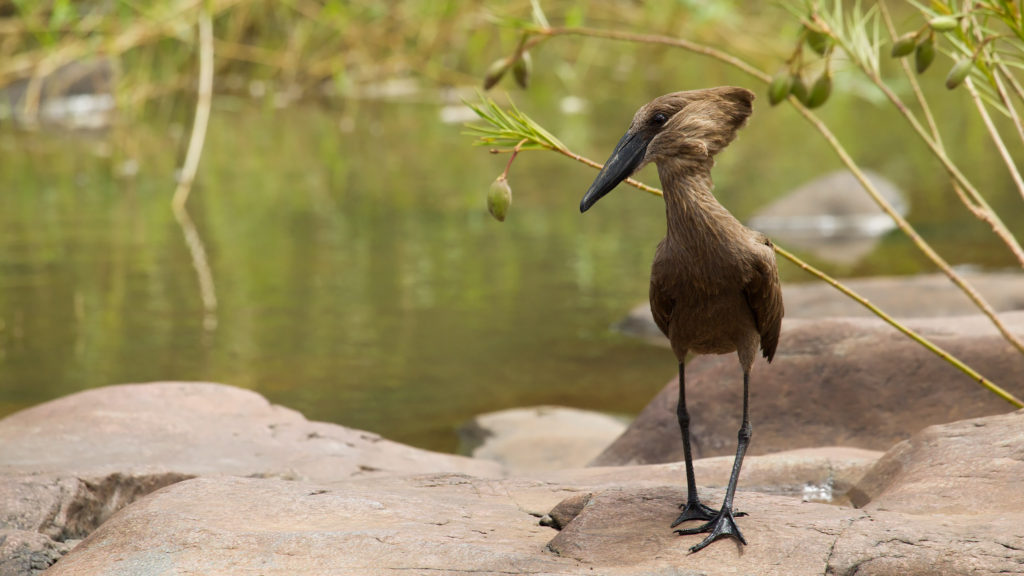
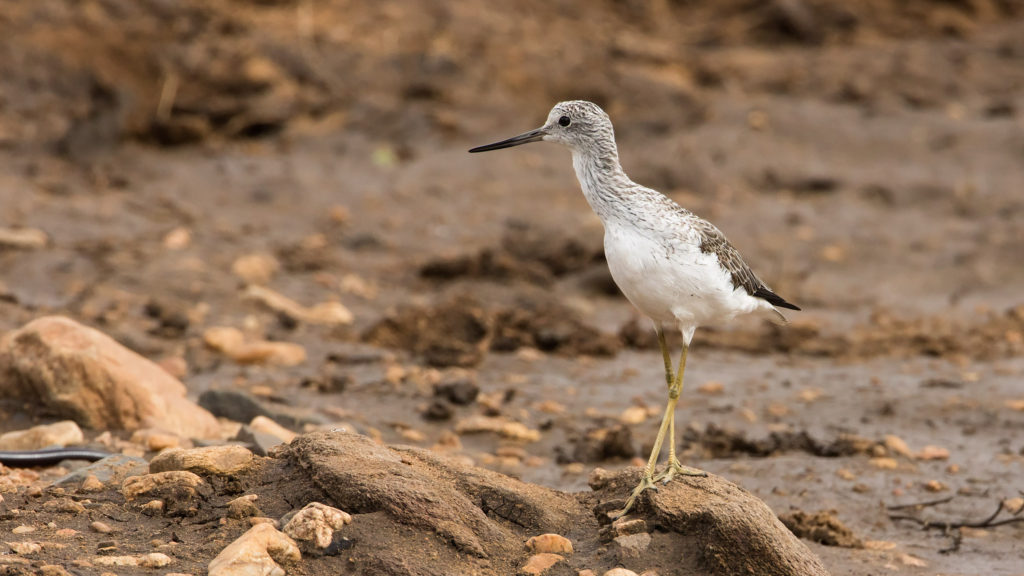
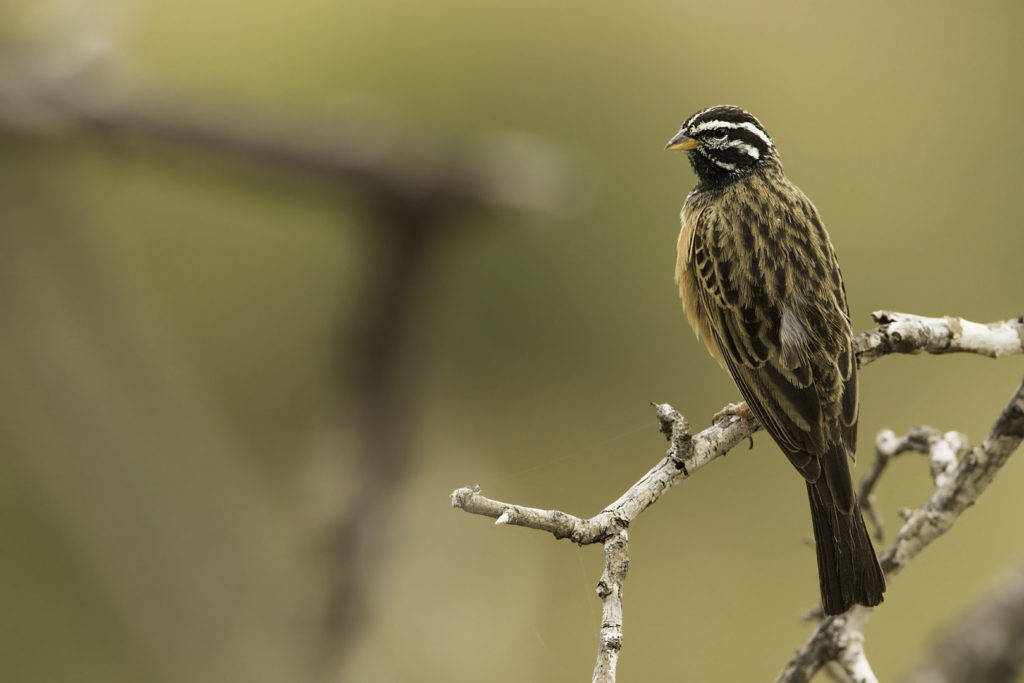
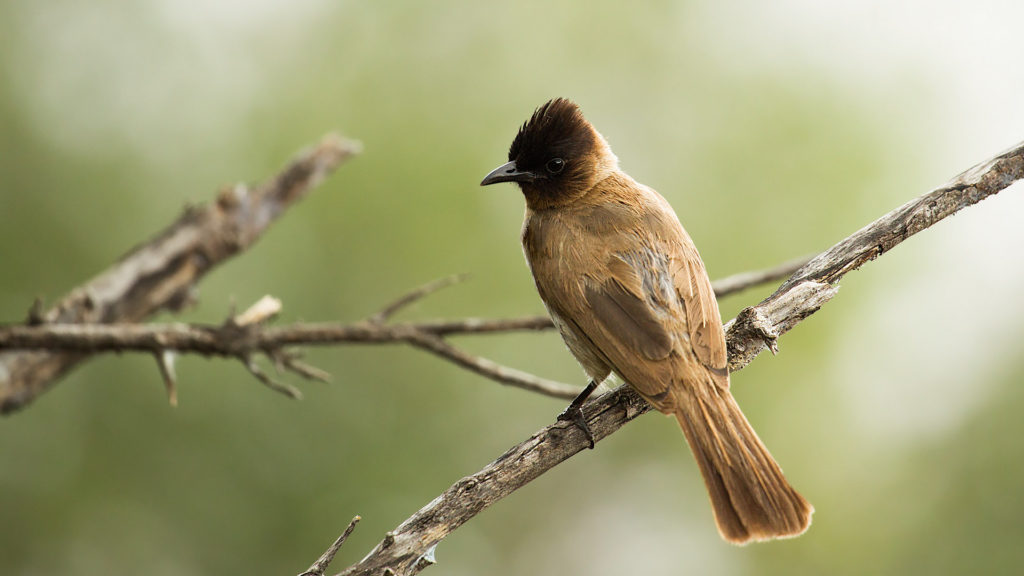
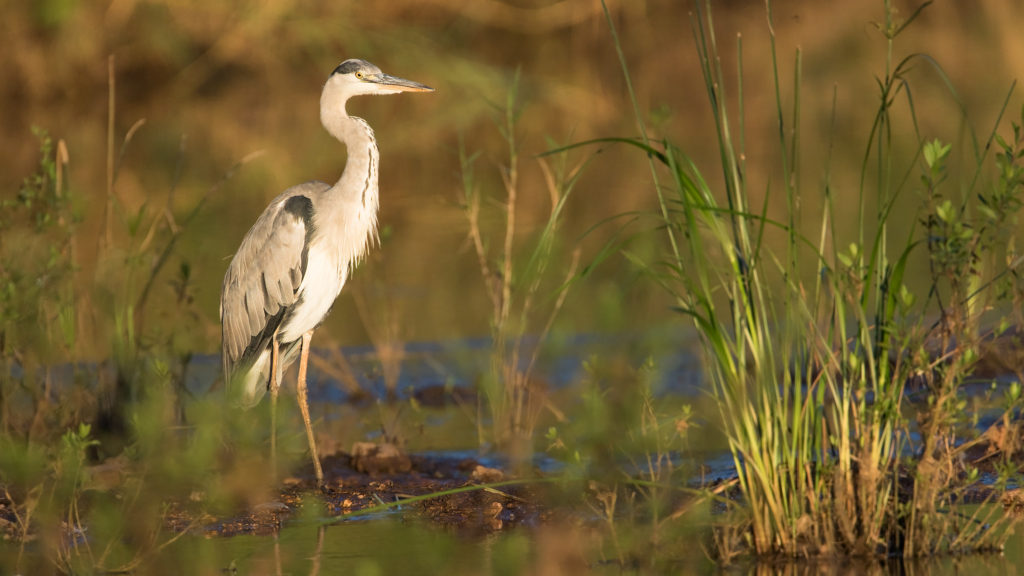
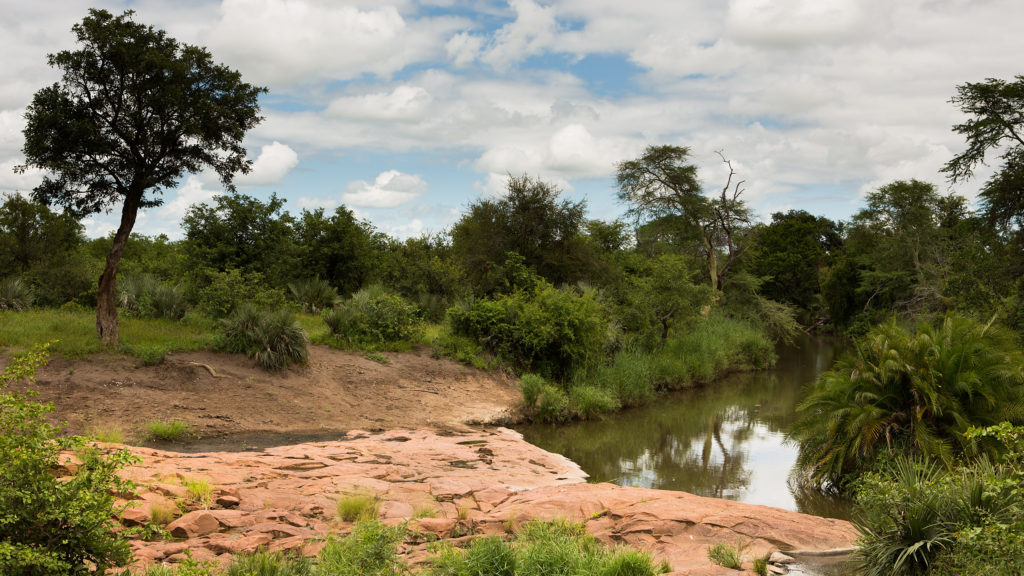
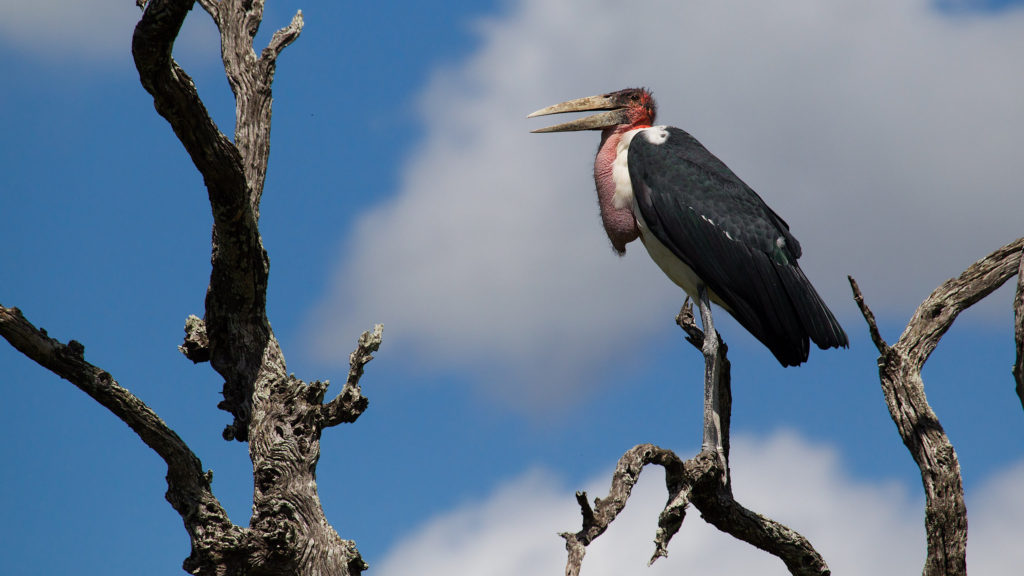
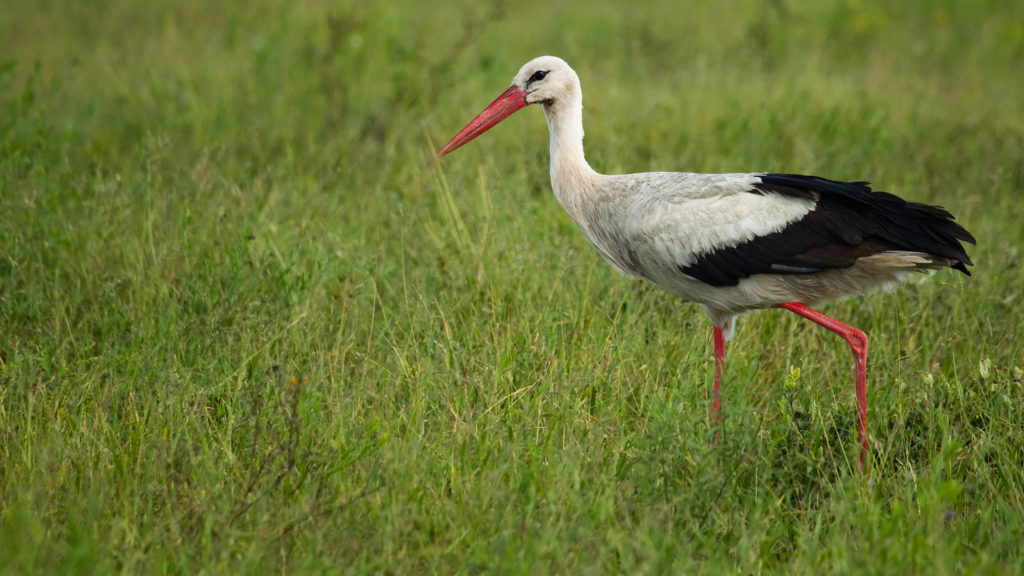
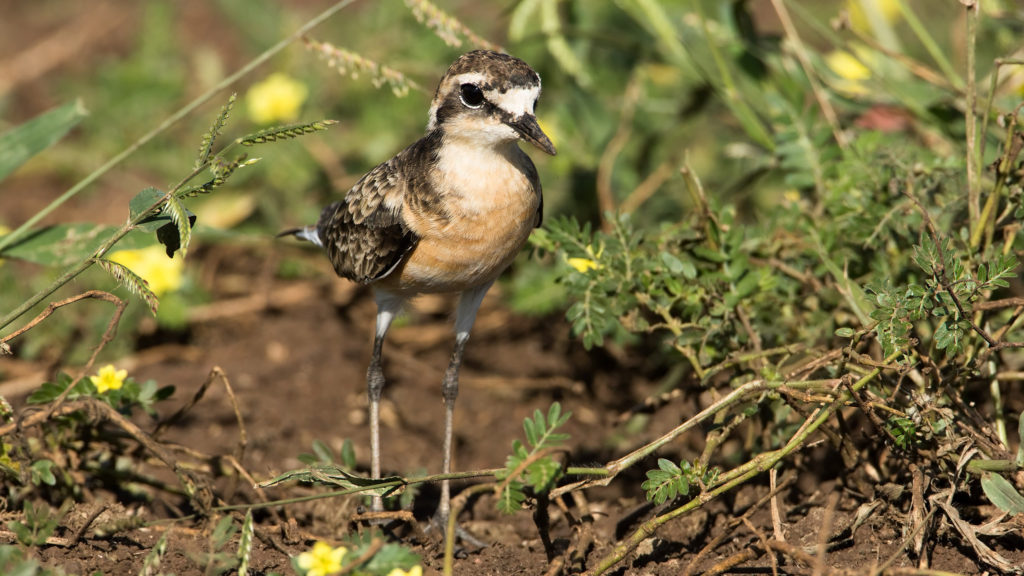
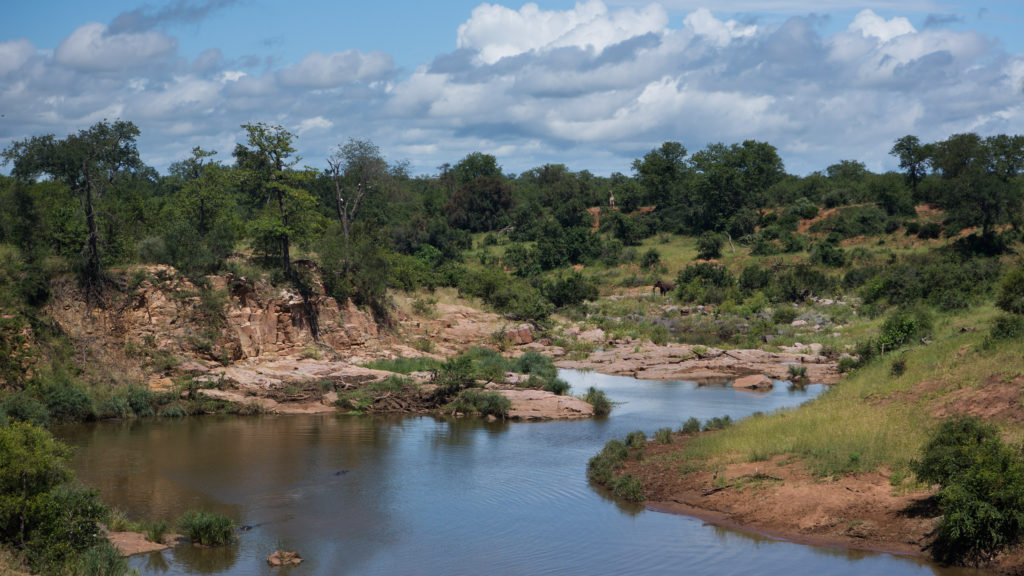
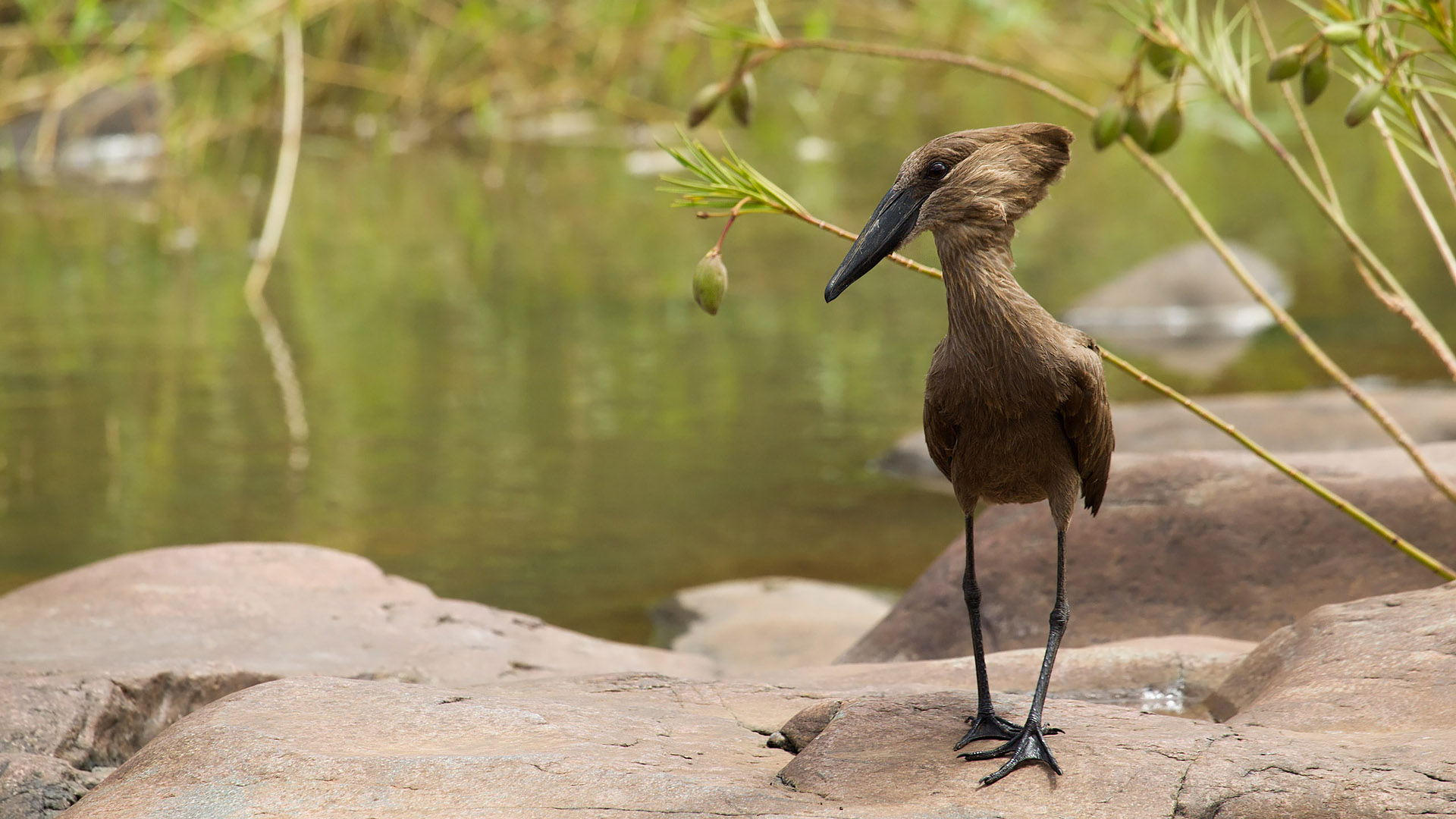
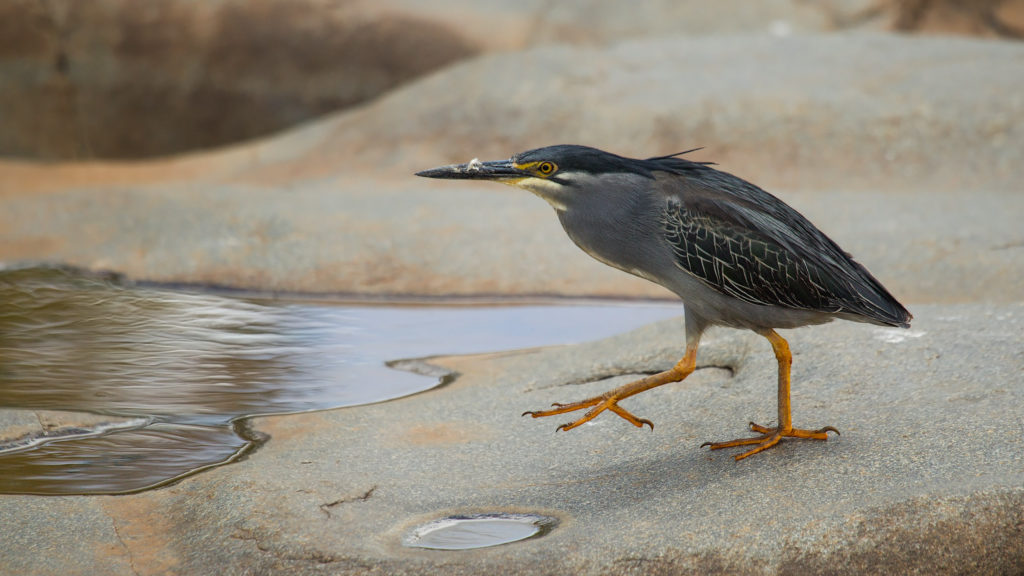
The Red Rocks Road is a scenic drive that follows sections of the Shingwedzi River through striking red basalt outcrops. The contrast between the rust‑coloured rocks, riverine vegetation, and open mopaneveld makes it one of the most photogenic areas in the northern Kruger. Wildlife is often drawn to the river, with elephants, buffalo, lions, and a rich variety of birdlife frequently seen along the route. It also features two drifts (or fords) through the Shingwedzi river, both of which offer excellent opportunities to photograph wildlife and birds in the river bed from a fairly low viewpoint. In the drift furthest from the camp, we had a good opportunity to photograph a Hamerkop and green-backed (Striated) heron, and were happy to be able to tick off a Common Greenshank. A Golded-breasted Bunting and a Dark-capped Bul-bul rounded off the bird sightings.
In the same drift, we also saw a crocodile, quietly relaxing with its head on a sandbank.
Shingwedzi – The Shingwedzi river causeway

If you exit Shingwedzi camp via the back (Southern) gate and immediately turn left towards the river, you end up in photography heaven. The sun rises in the river bed on one side of the causeway and set on the other side, still in the river bed. This means that if you are there early morning or late afternoon, you get the beautiful sweet light that photographers dream about. Combine that with a beautiful, open setting and a low viewing angle, and you are set up for some stunning photos. On past trips, it had happened that we go to “quickly” check what we see there, and we ended up sitting there for 2 or 3 hours!

On this trip we made a point to check it repeatedly, almost every morning and every evening and it never disappointed us.

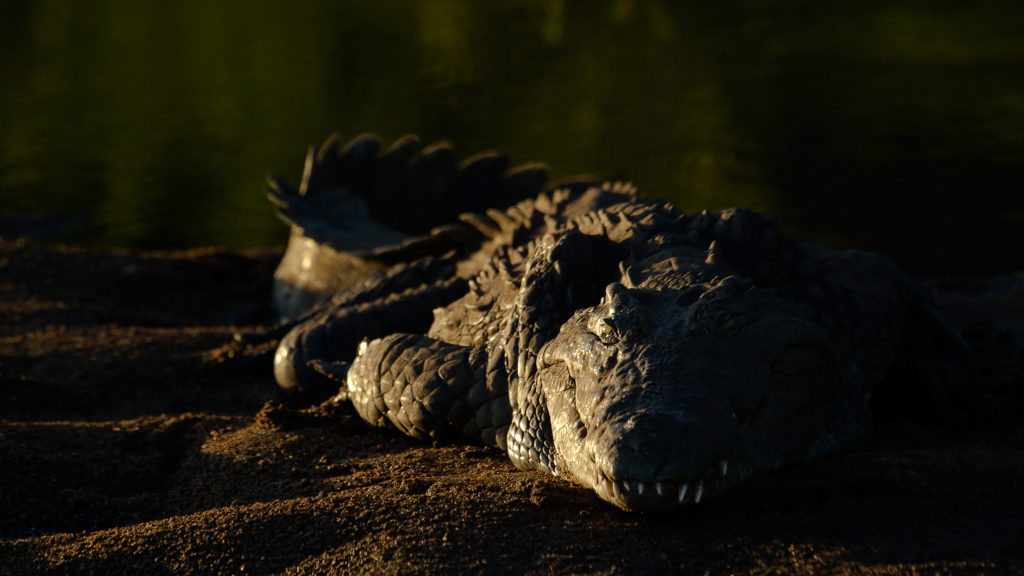
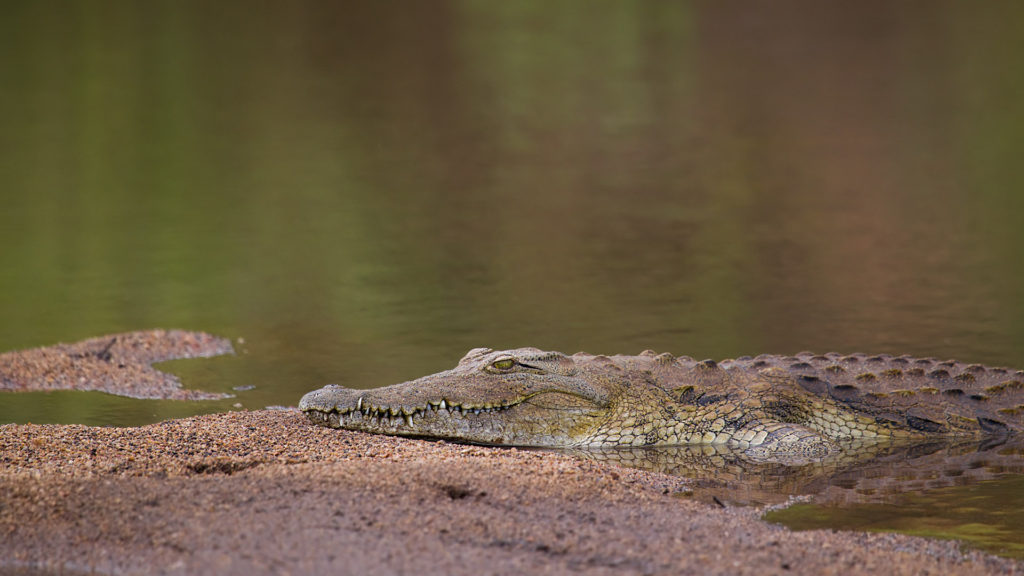
On the last afternoon, there was a large Crocodile, lounging on the sand in very low light.

Shingwedzi – More sightings around Mopane

Besides the Capricorn loop, there are also several other nice spots around Mopane, including the two hides, the causeway over the Tsendze river and the wetland North of the old Nshawu waterholes. The viewing decks inside the camp also offer nice birding opportunities (as well as an excellent restaurant!)

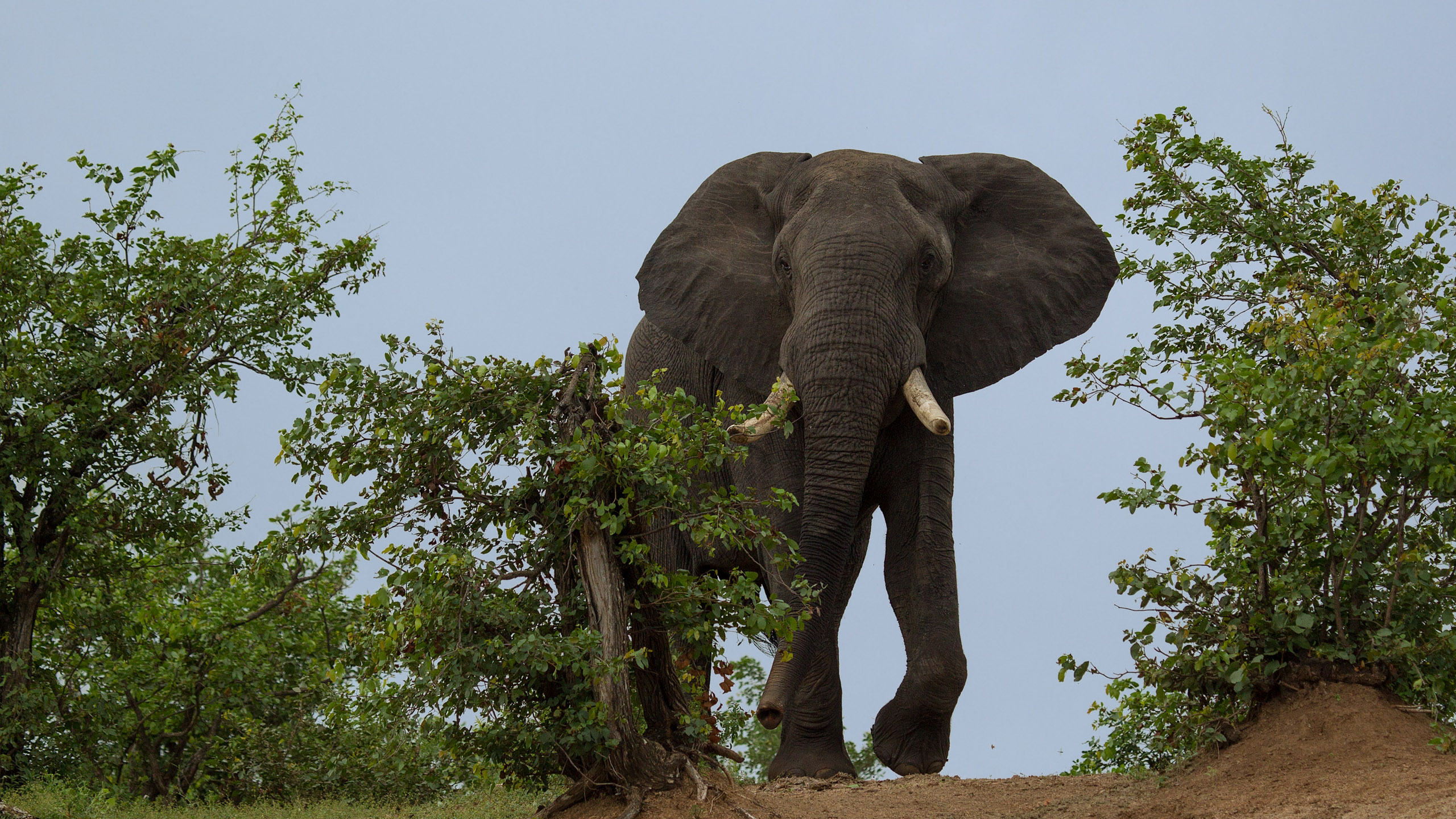
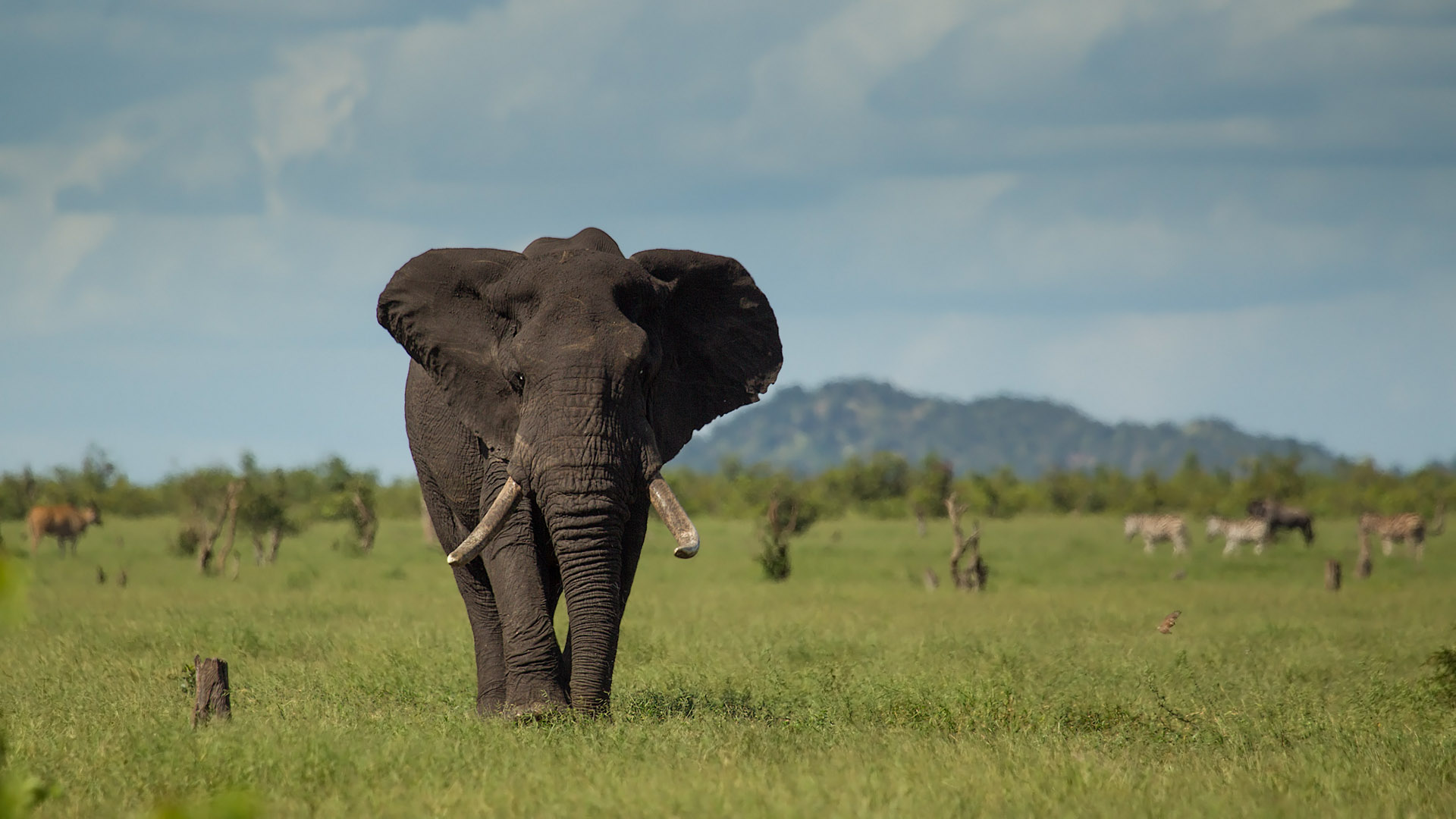
We were surprised by a large Elephant bull coming over the river bank while we were sitting on the low bridge. It offered a rare opportunity to photograph an elephant from below!

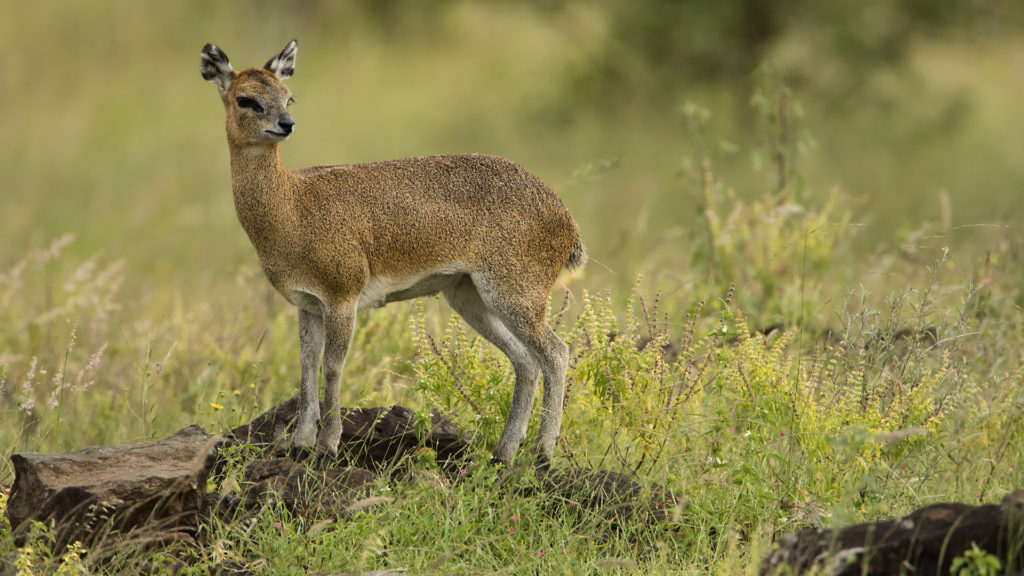
There was also a cute little Klipspringer.

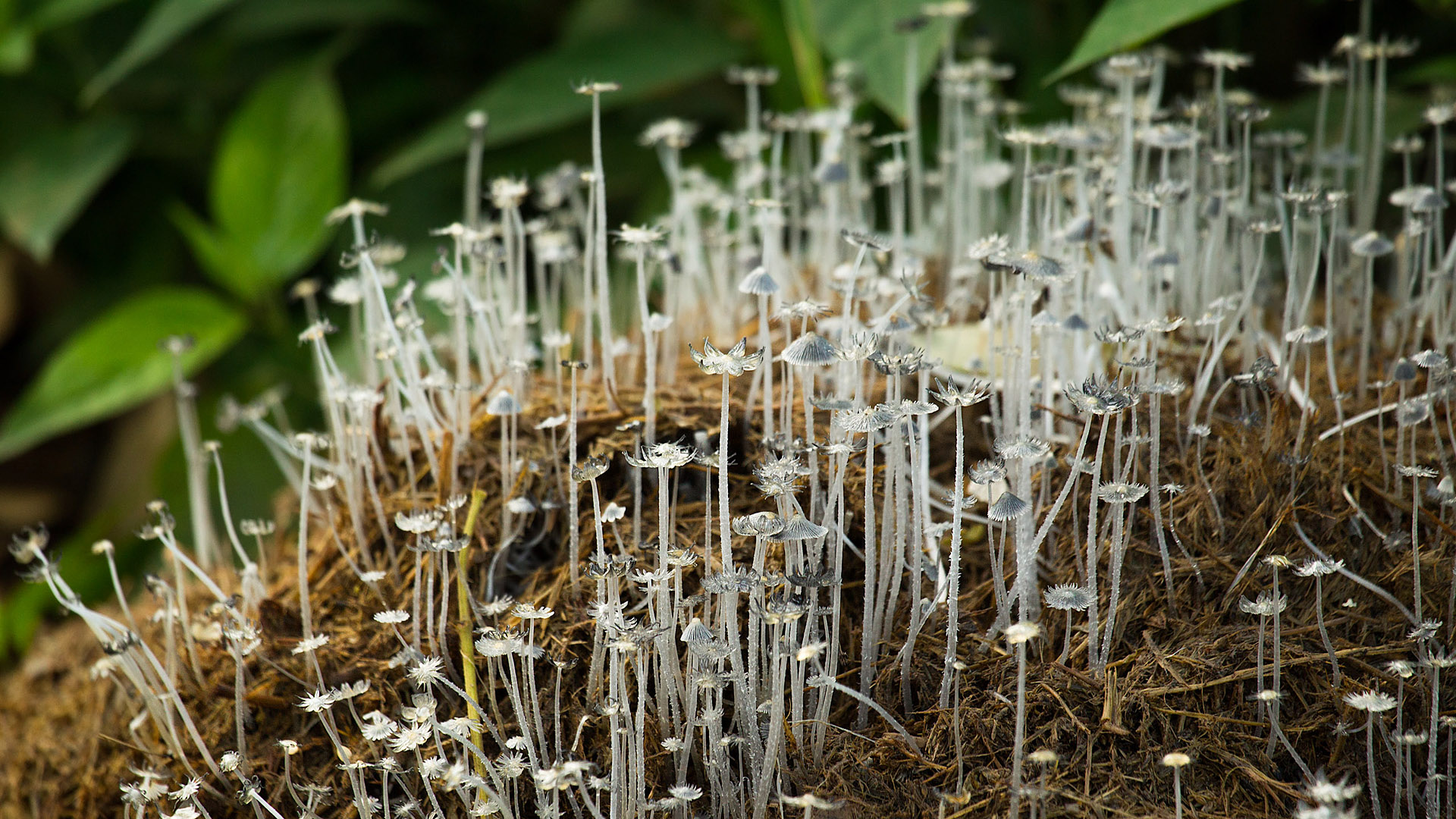
For one of our excursions towards Mopane, we decided to take the S50 gravel road, rather than the tar road. Not far outside the camp, we saw something quite amazing: an entire cluster of mushrooms, growing out of a ball of Elephant dung!

Later, we also had a quick look-in at the Nyawutsi hide. There wasn’t much movement, but the view from the hide is always beautiful.

Shingwedzi – Capricorn loop

On the second night, we met our neighbour over the braai fire. He shared the amazing sightings they had on the Capricorn loop near Mopane. He recommended that we go check it out and we decided to follow his recommendation.

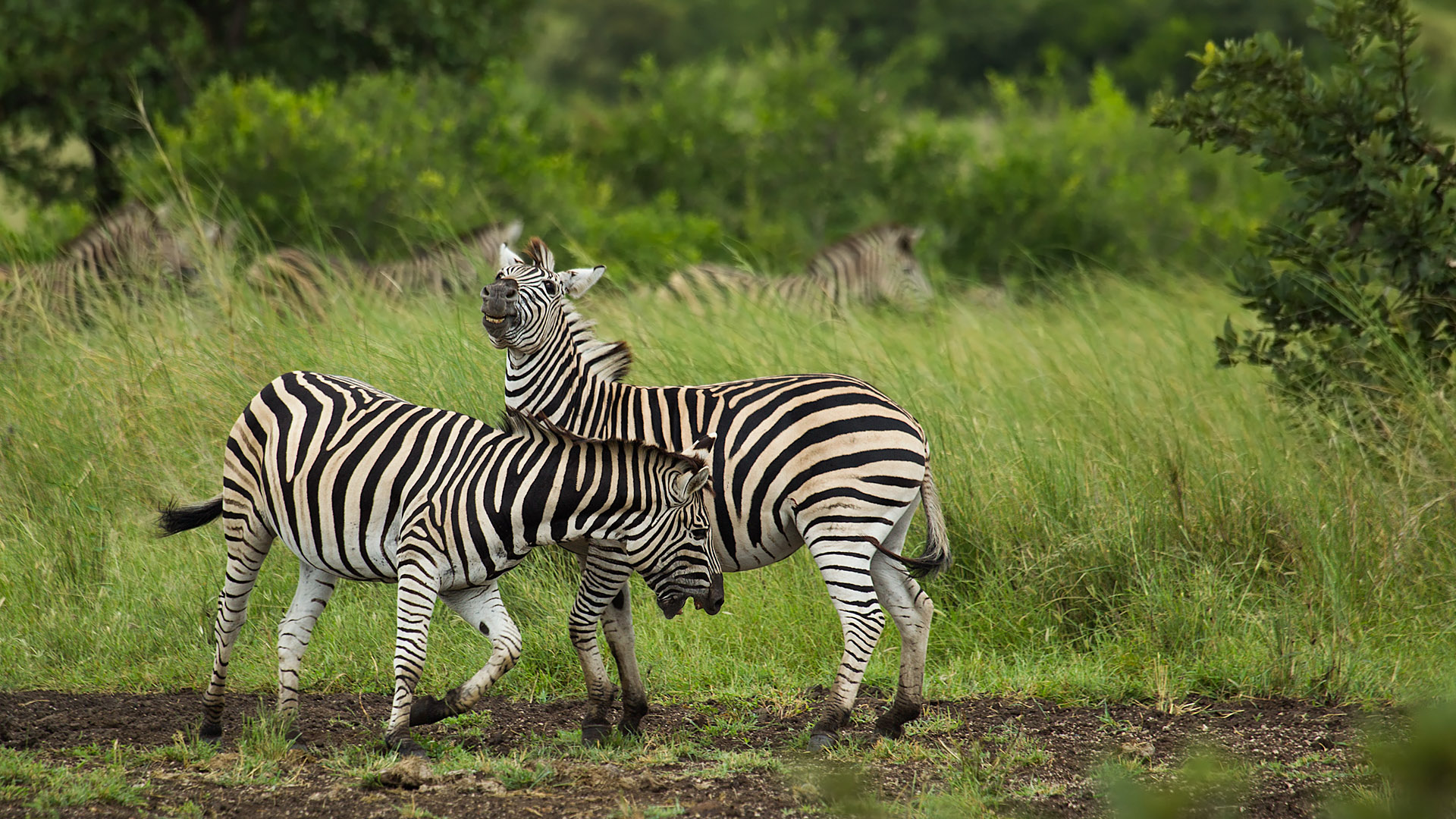
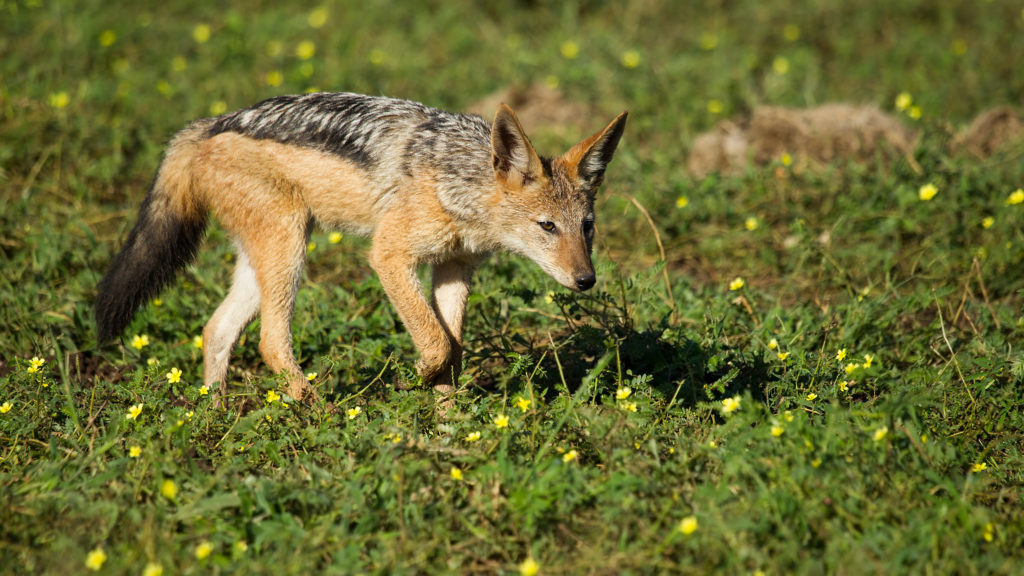
The Capricorn loop is a gravel road that runs through another wide open plain near Mopane camp. This road proved to be so productive that we spent four days on this trip in the Mopane area. It was teeming with large herds of Zebra, Blue wildebeest and Elephants, and even included sightings of Red Hartebeest, Ostriches and Black-backed Jackals, as well a a large variety of birds.

Shingwedzi – Towards Babala

When you drive North from Shigwedzi, towards the Babalala picnic site, you have two options – you can stick to the tar road, or take the Mpongolo loop. The tar road runs through a wide, marshy flood plain, with several waterholes where you are almost guaranteed to see Elephants. The Mpongolo loop is a gravel road that runs through the riverine forest along the banks of the Mpongolo river, offering several beautiful viewing points over the river.

We took the Mpongolo loop. It was a fairly quiet drive, but the beauty and birding kept the boredom away.

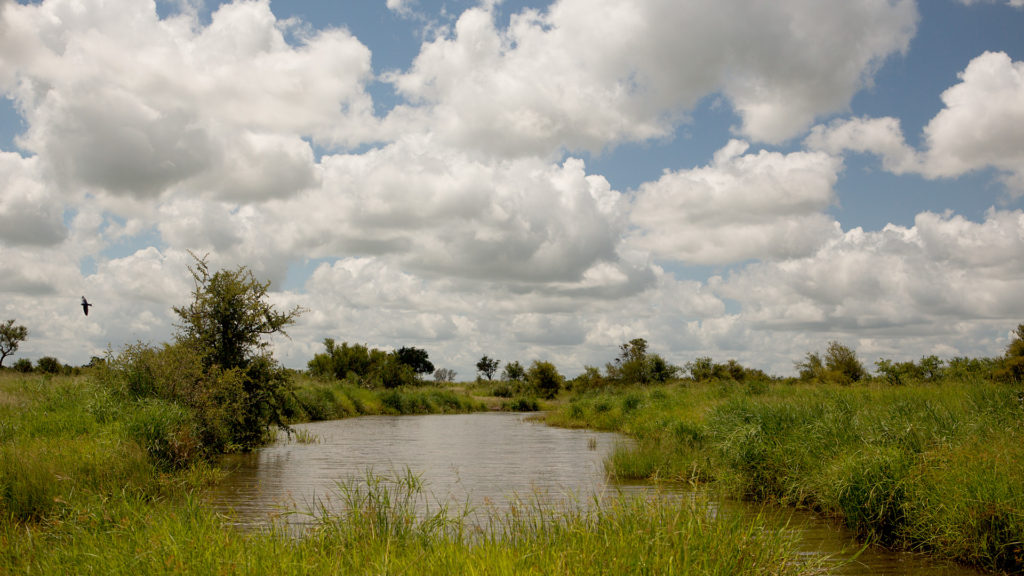
The area was extremely wet, and several streams flowed under the tar road on our way back to camp.

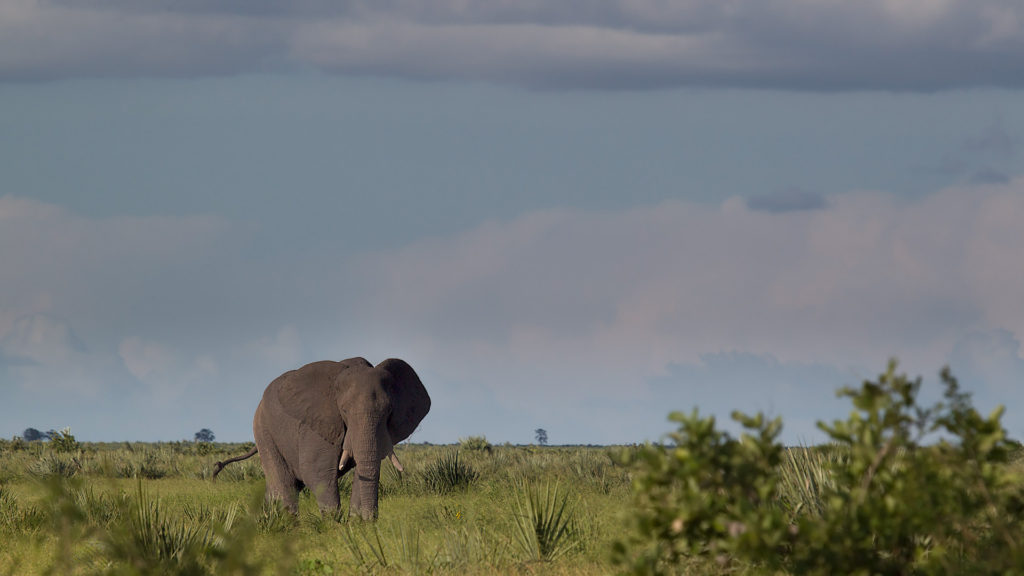
And the big, beautiful boy was hanging around the Boyela waterhole.