Shipandani & Letaba day 4: Back to Sable Dam

Monday dawned… well, no, it didn’t really dawn in the true sense of the word. I became lighter, but the clouds and the winds were still with us, so no dawn, no sunrise and no sweet light. We were still up and out of the camp early and headed for the S131.

We were only a few kms out the gate, when we saw a few cars parked next to the road up ahead. As we approached, we saw what seemed like a hyena clan, attempting to chase of another hyena – perhaps an intruder? The light was very low, but I managed to get a few nice action shots.
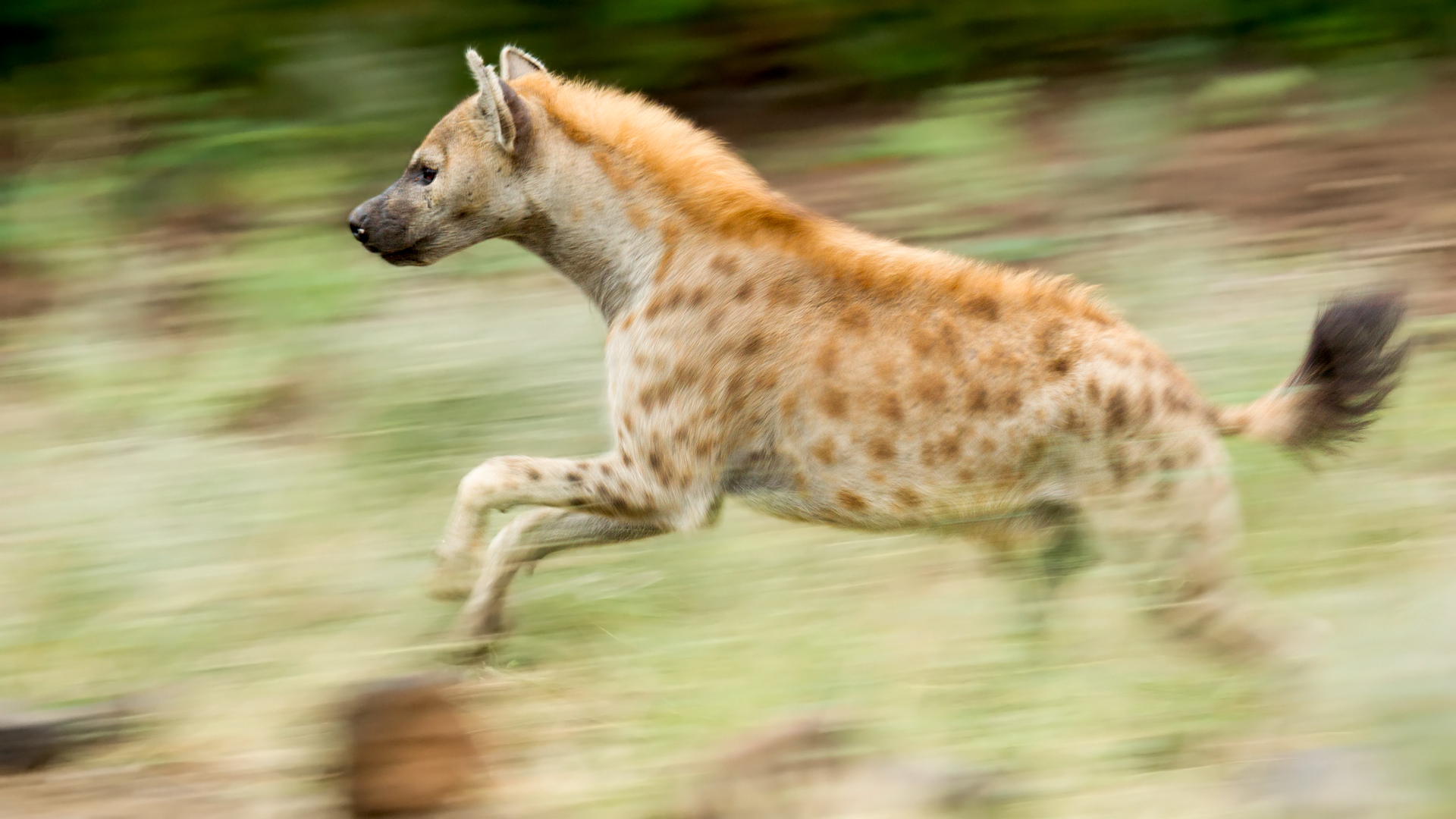
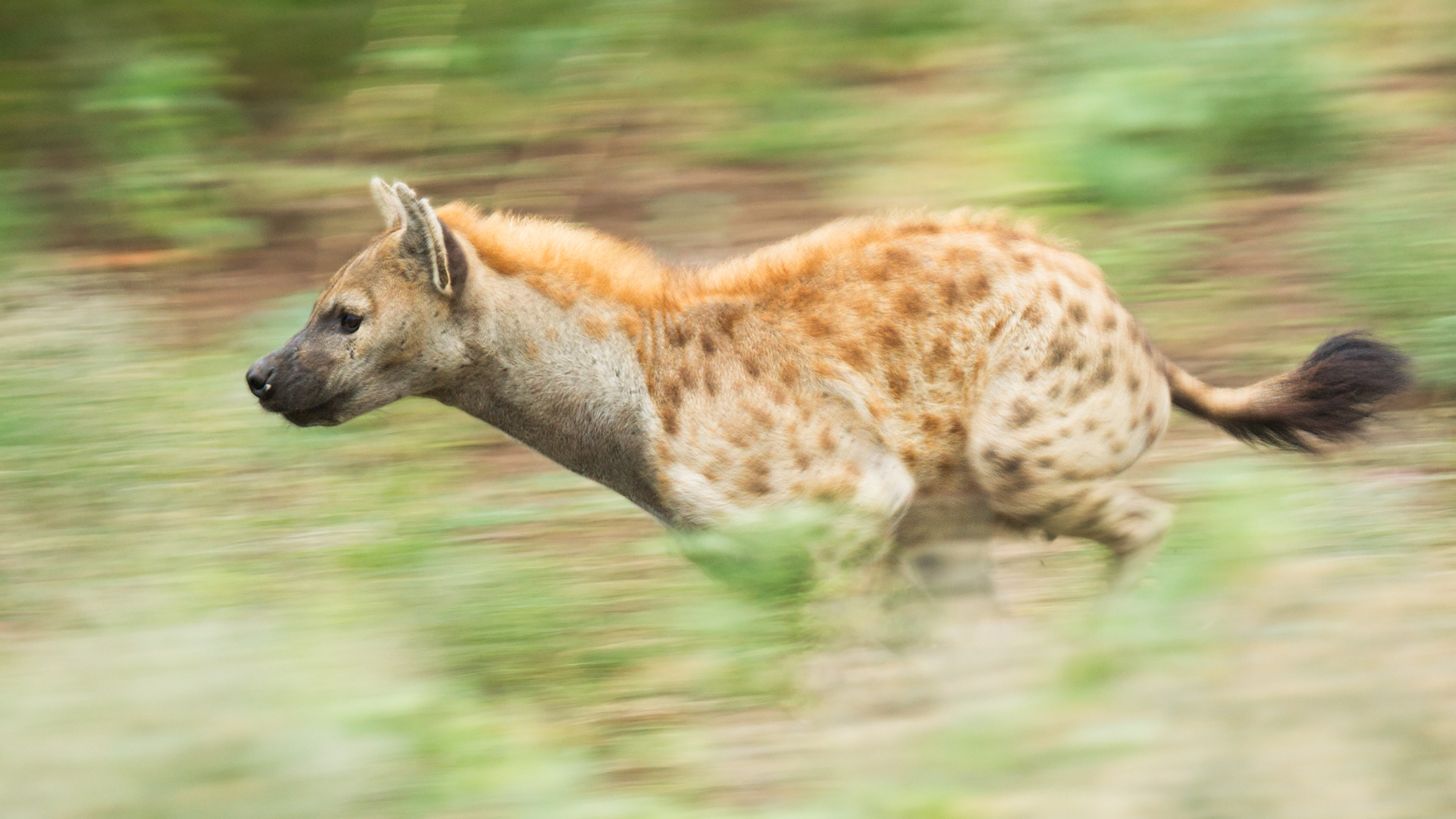
Hayena_1D_3049We continued on, our disappointment at the weather as least half-cured by the awesome sighting!

The first river crossing brought our bird specie count up to 67 with a Wood Sandpiper.

About an hour and a half later, we saw two huge Buffalo bulls at an unnamed watering hole. The two did not seem at all pleased to be sharing the waterhole!
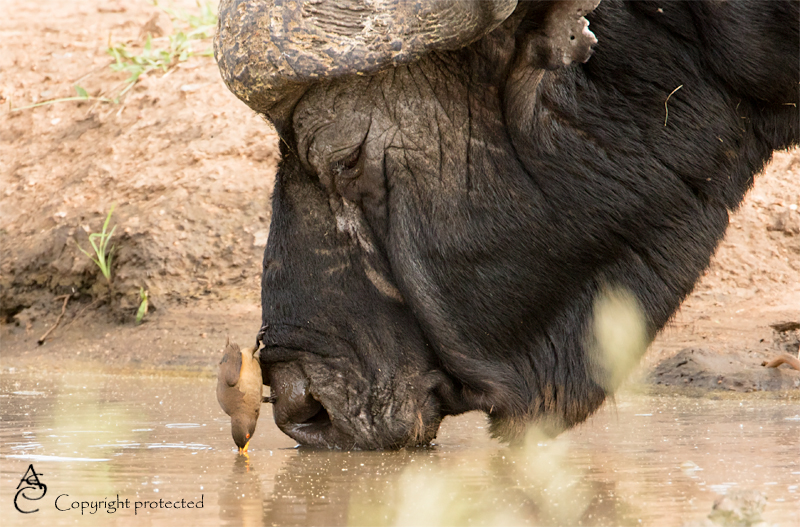
Buffalo_Oxpecker_FE5A1300
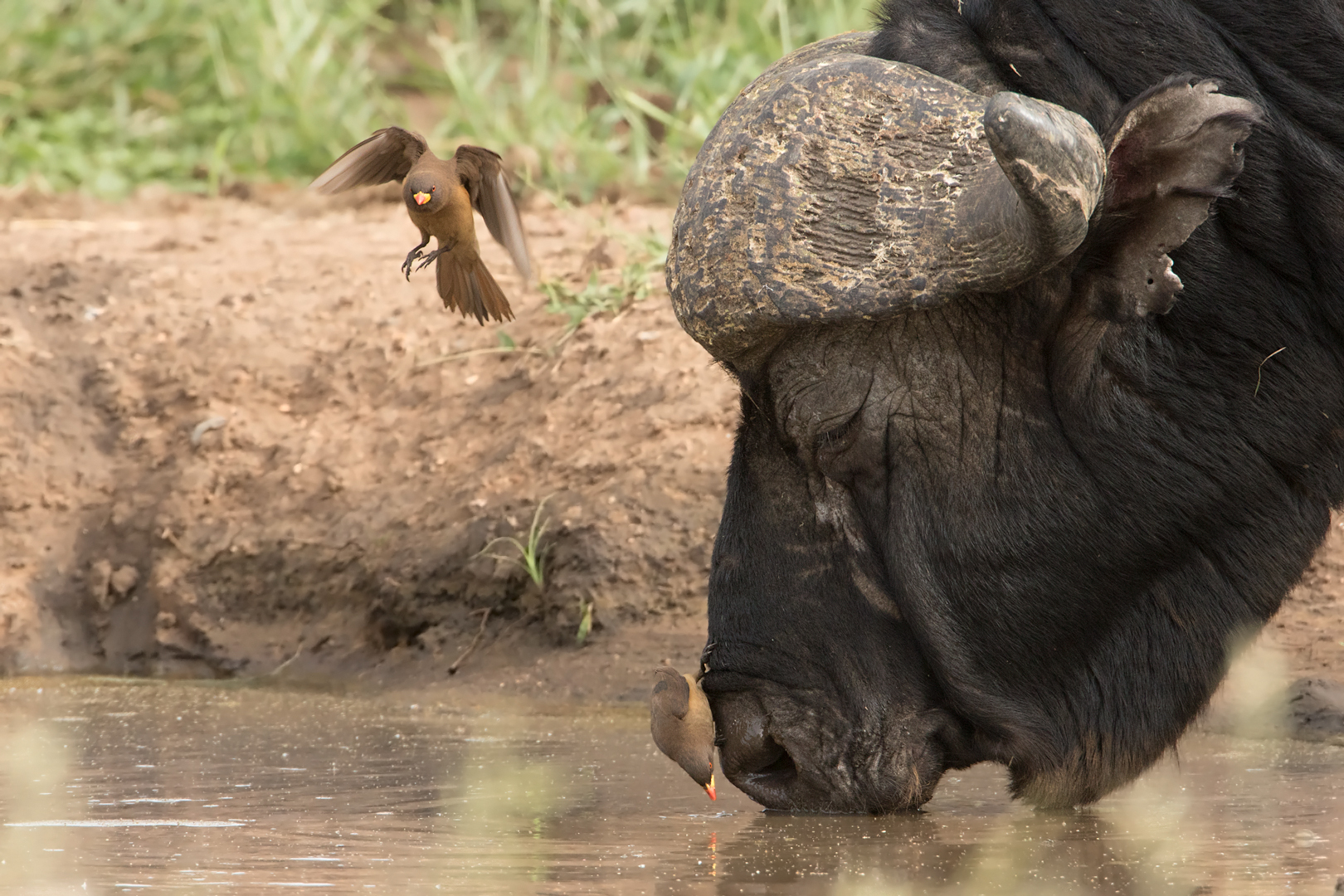
The remaining bull did not, however, seem to mind sharing the watering hole with an Ox-pecker, or two!
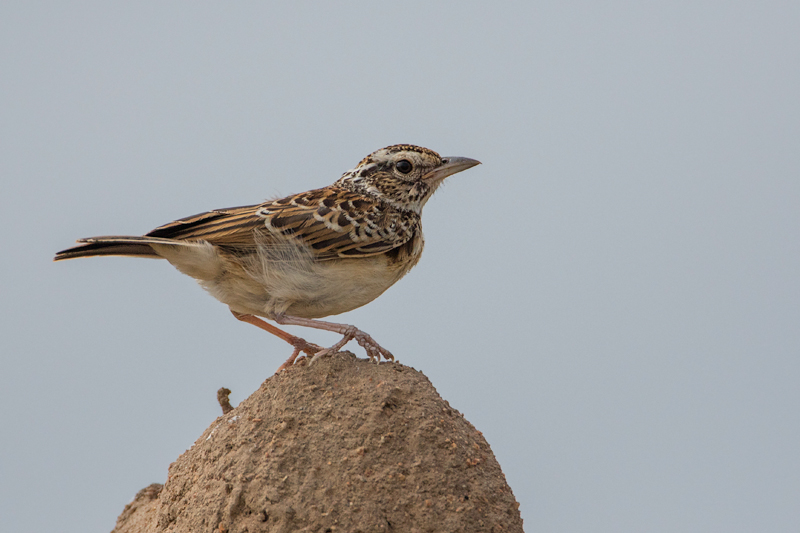
Lark_FE5A1374We continued along the S131 at an easy pace, stopping every now and then to identify a bird. We saw another Sabota lark – this one much more co-operative as a model, and then a colony of White backed Vultures, apparently attending a kill that wasn’t visible from the road, since one of the birds were still covered in blood.
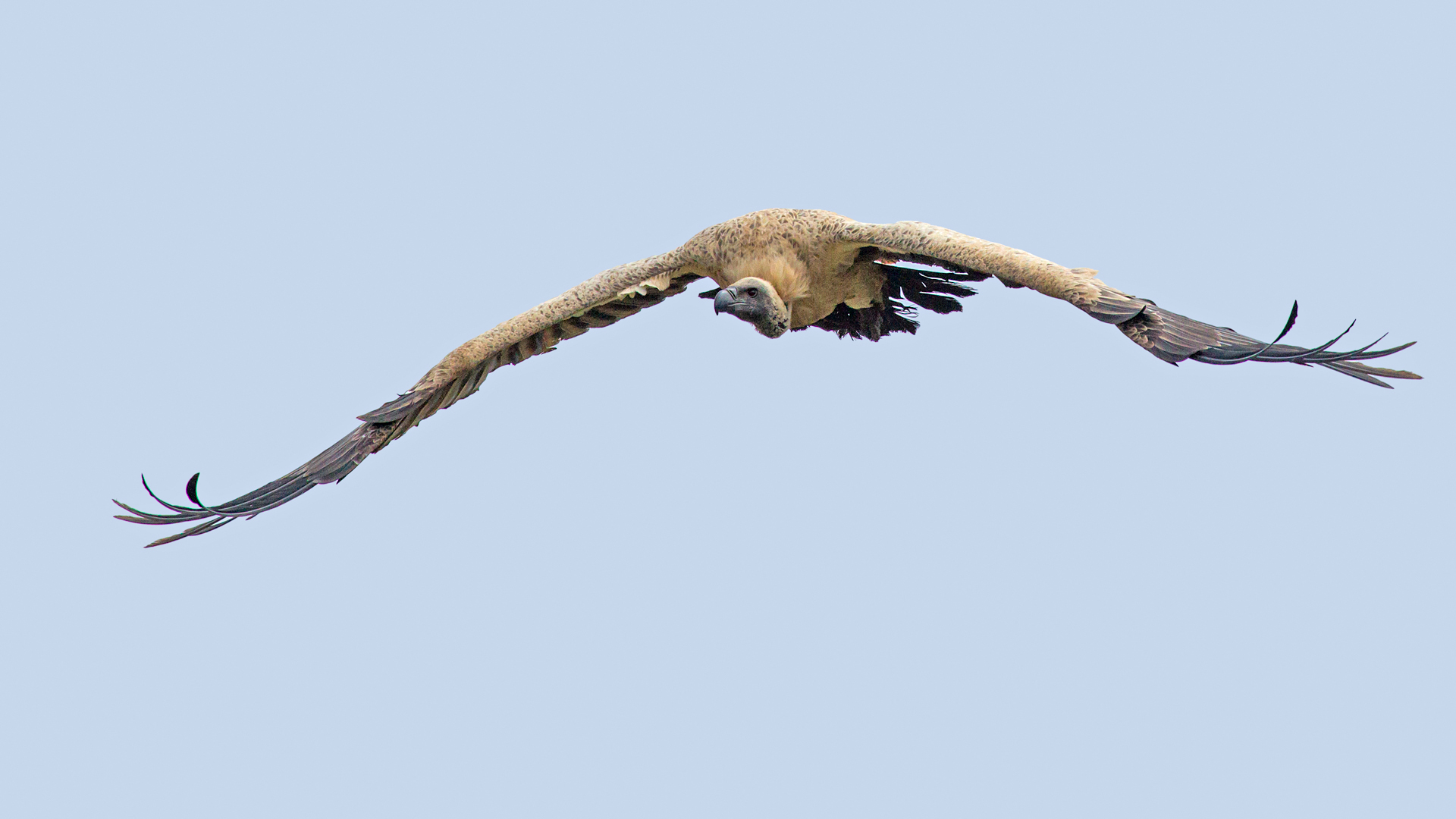
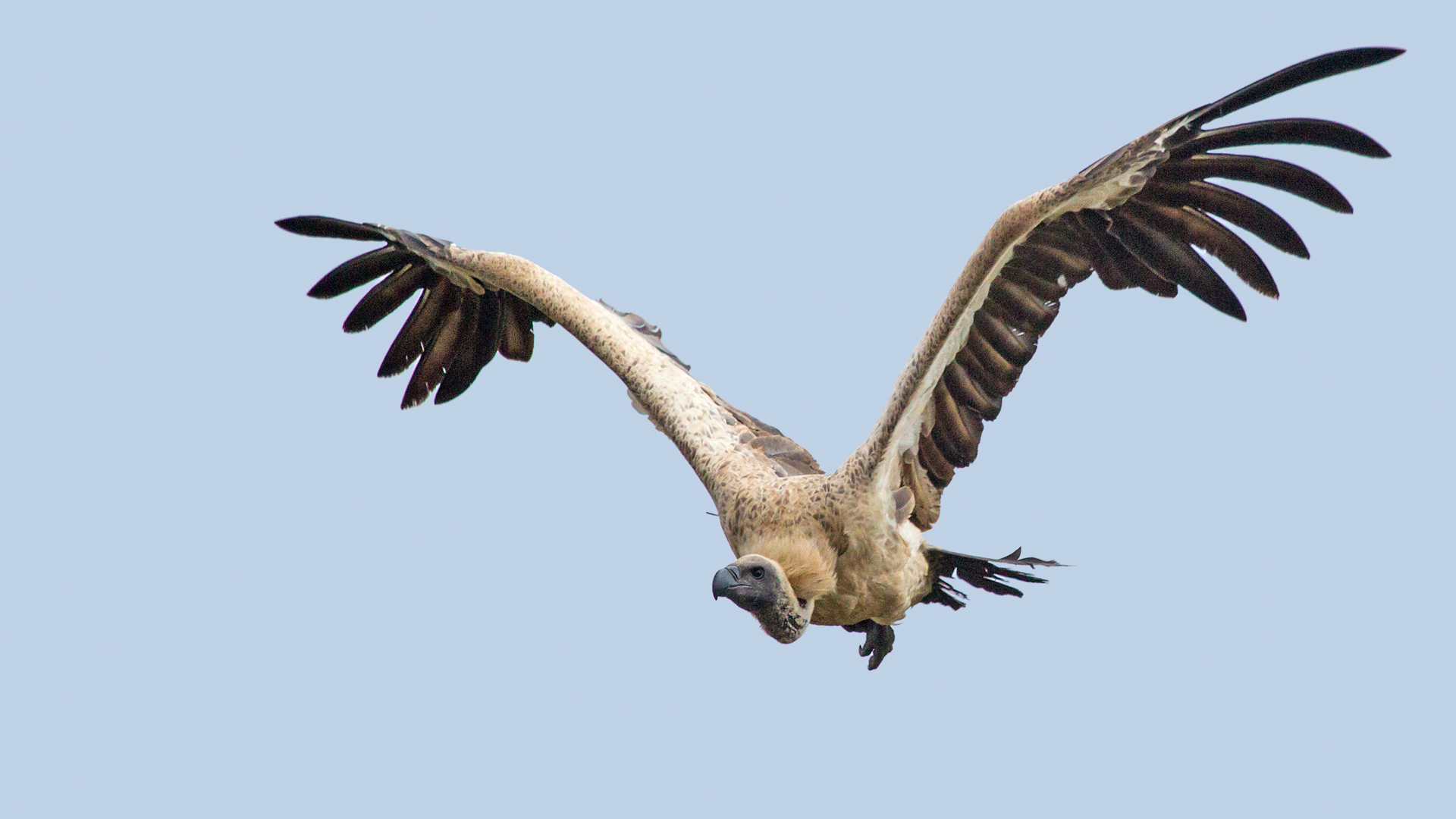
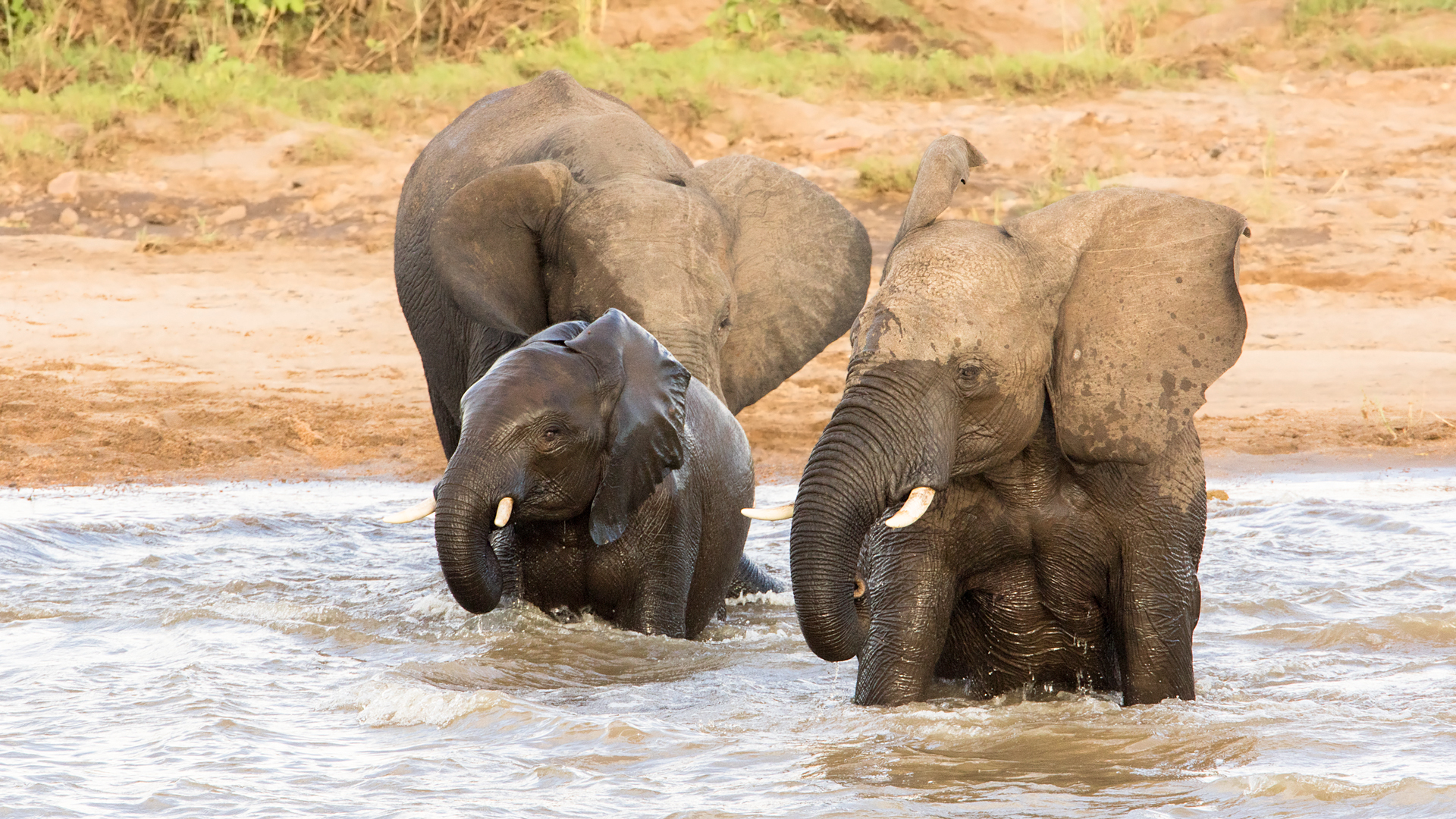
Vulture_1D_3312We finally arrived at Sable Dam just before noon, to find the dam once again surrounded by multiple herds of Elephant – what seemed like hundreds of animals! The clouds were coming in again, serving as a light filter and allowing for much better photographs that the ones we took on the first day…
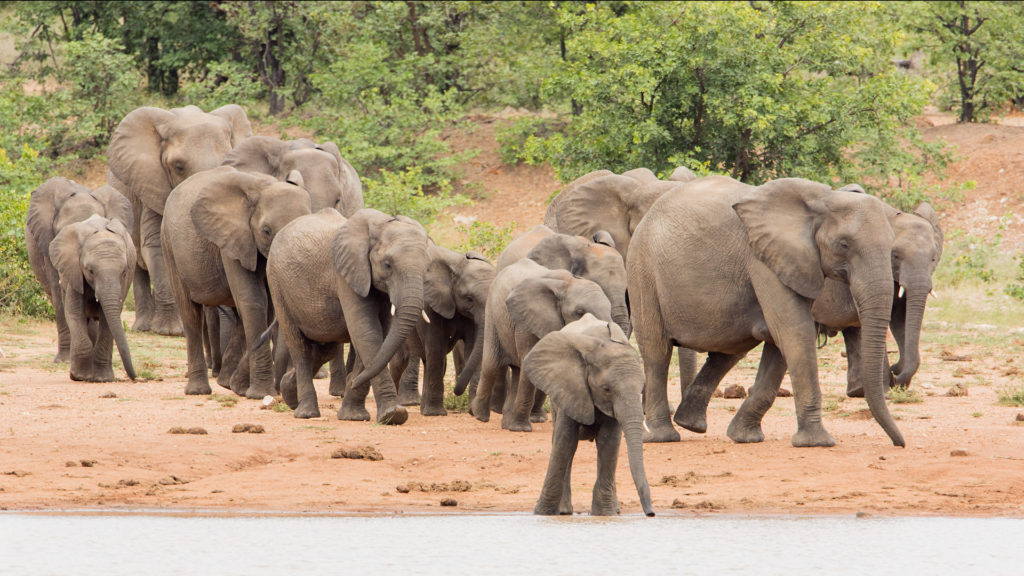
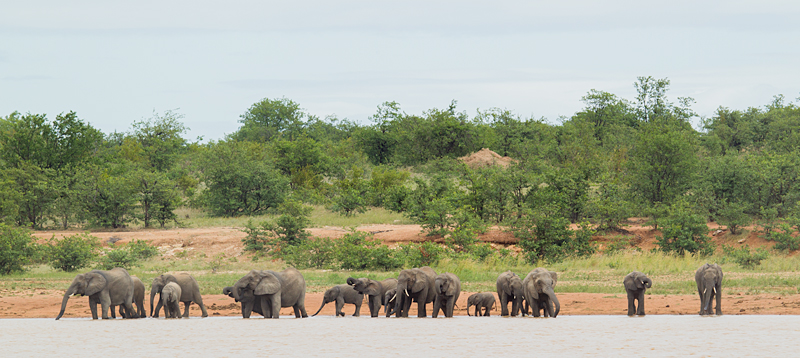
Olifante_1D_3348

After spending some time photographing and just generally enjoying the elephants, we headed back to Letaba on the tar road. The weather was quite nasty by now, with high winds, heavy cloud cover and even the occasional burst of rain, so we stuck to birding most of the way.

Bird sightings for the day:

  1. Wood Sandpiper
  2. White-backed Vulture
  3. Rufous-naped Lark
  4. Martial Eagle
  5. Black-chested Snake Eagle
  6. Dark-capped Bulbul
  7. Southern Red-billed Hornbill
  8. Yellow-fronted Canary
  9. White-fronted Plover
  10. White-crowned Lapwing
  11. Ruff

Only when we got back to Letaba and checked our updated species list, did we realise that we had passed our target of 75! So we counted it as a successful day, in spite of the weather.
Shipandani & Letaba day 3: A windy visit to Olifants

Feeling much better after a good night’s sleep, we were up early the next morning, and set off back towards the S46. We had not been able to travel very far up it the previous afternoon and we wanted to go and explore it properly.

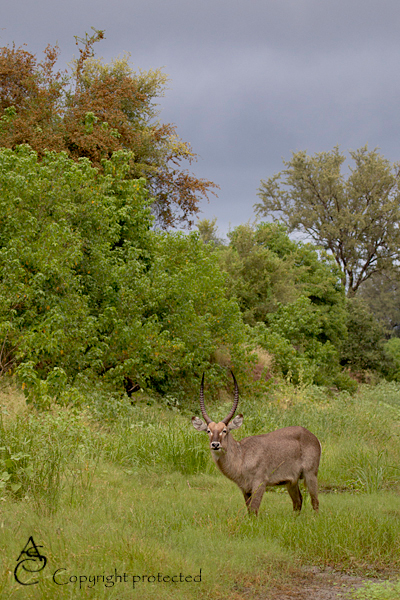
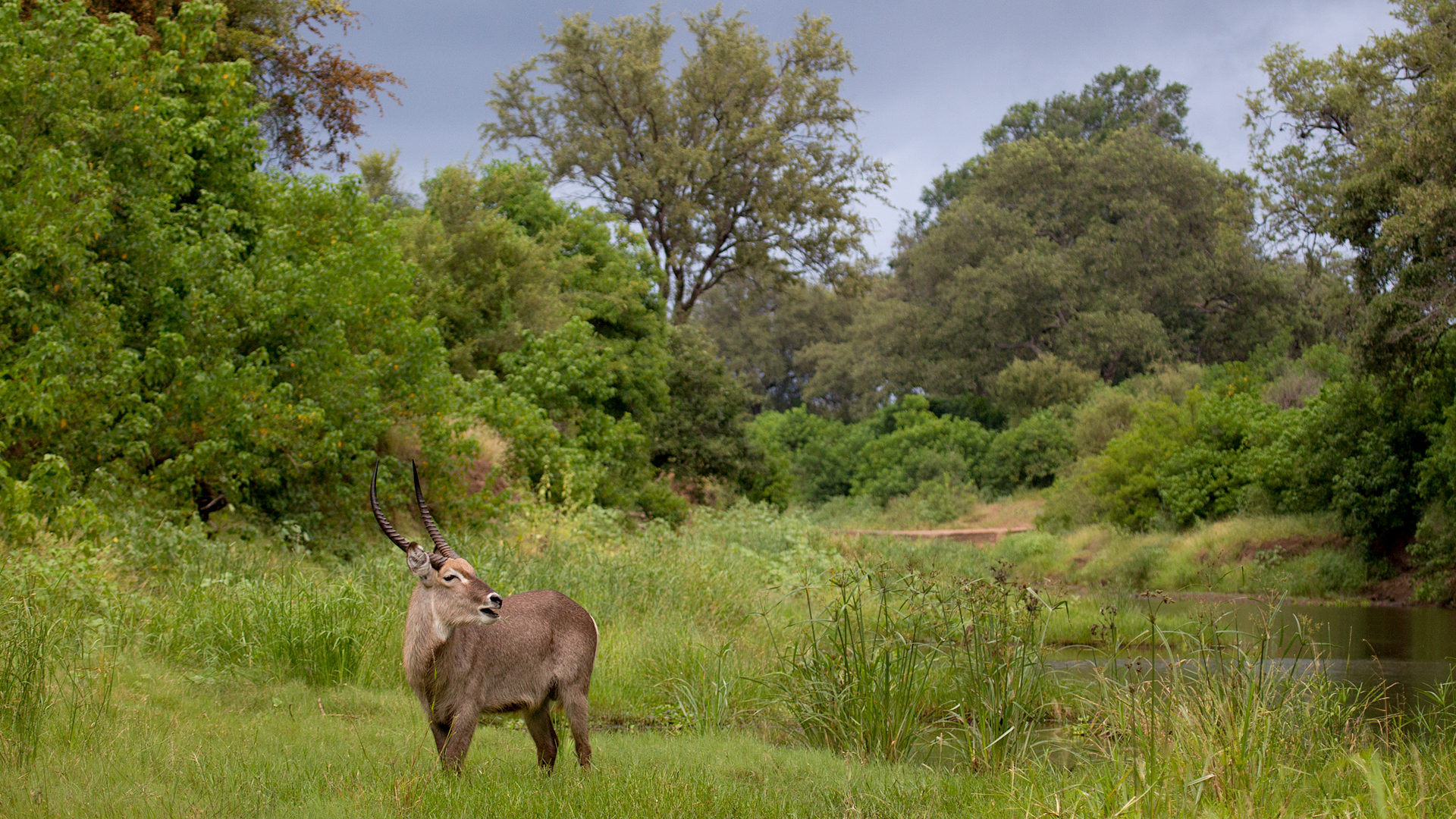
Waterbuck_1D_2764It was still overcast, but the beauty of the bush around Letaba after the rain of January was astonishing. We found ourselves not even caring if we saw any wildlife – the beauty around us was enough! I think I will always associate this trip with stunningly beautiful river crossings. (And this trip report will probably be remembered for the over-use of the word “beautiful!”). This first of these river crossings this morning, where the S94 crosses the Nhlanganini river, was occupied by a lone water buck bull, exactly the element that we needed to make such a pretty picture complete!

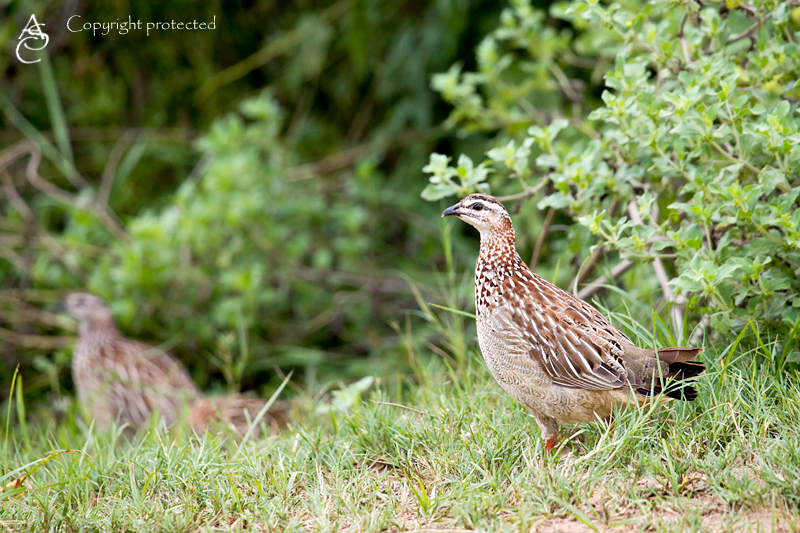
Fiesant_1D_2776We idled along slowly, ticking off more bird species (Grey Heron, Cape Turtle Dove, White-faced Whistling Duck and Crested Francolin – bringing the number to 56).

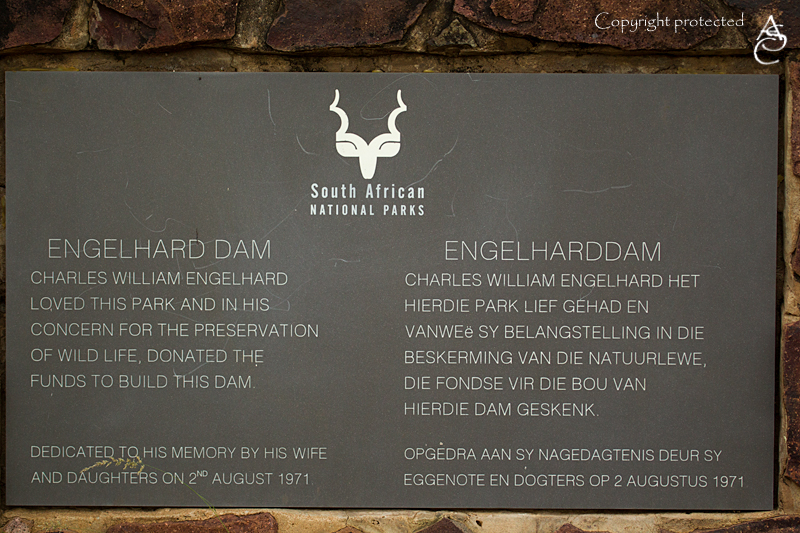
EngelhardDam_1D_2784We stopped at the dam wall to read the plaque with a brief, but interesting history of how the dam got it’s name, and then drove further along the bank of the Letaba river.

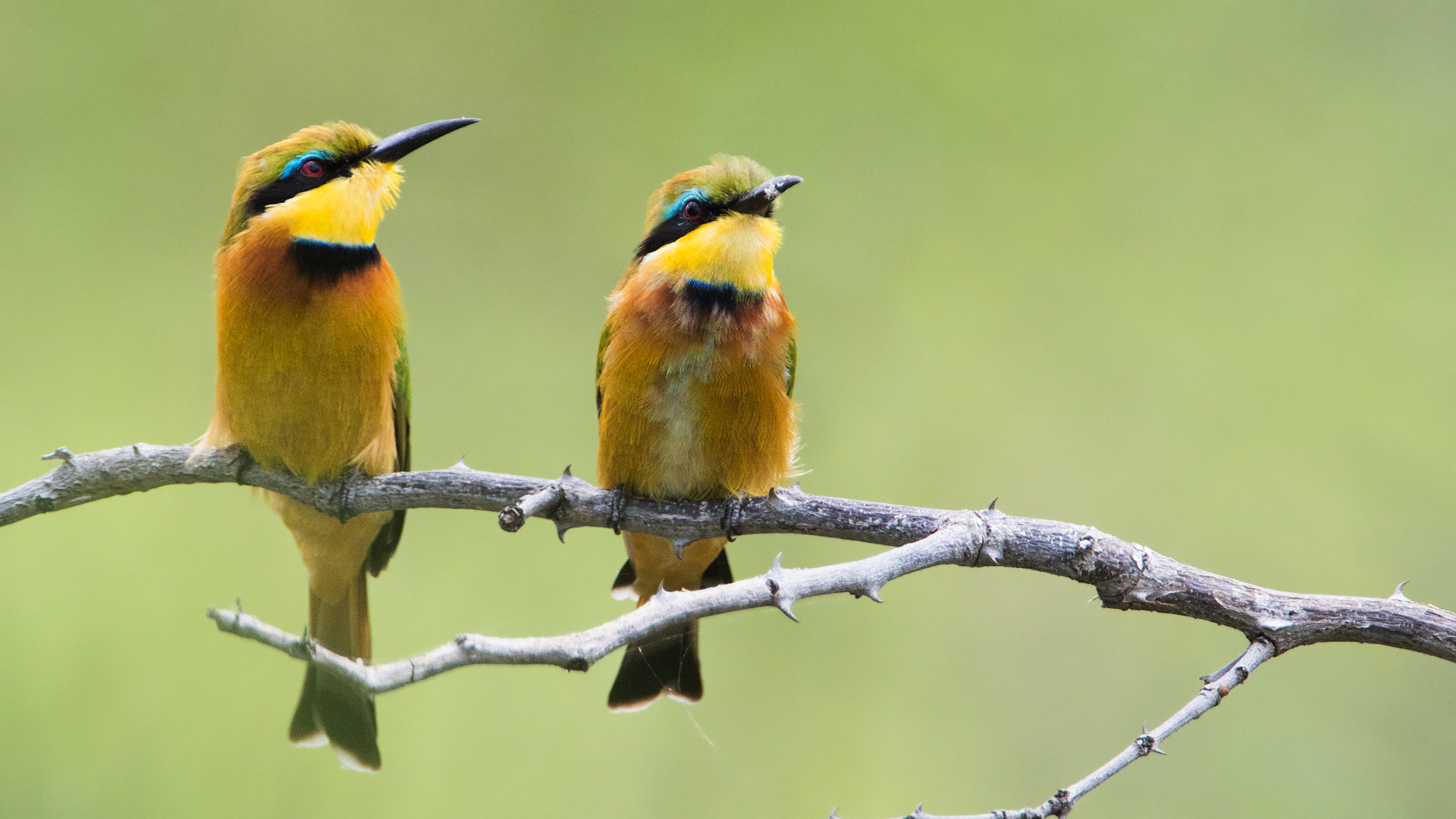
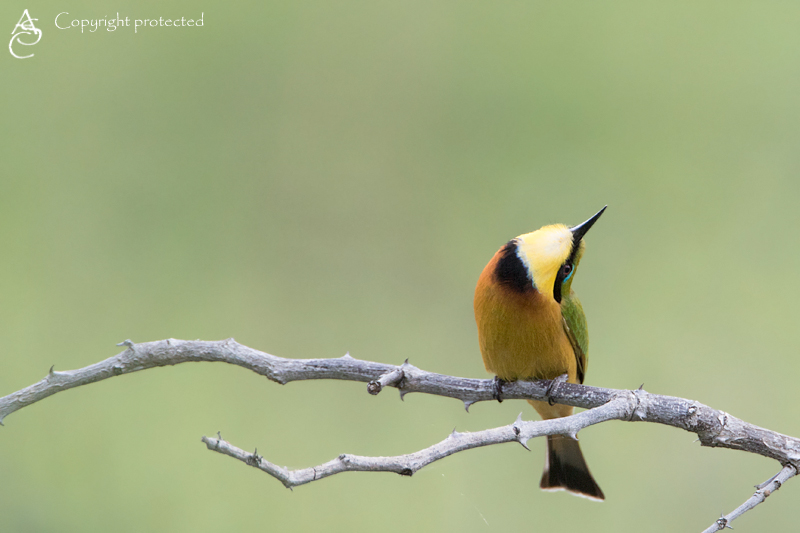
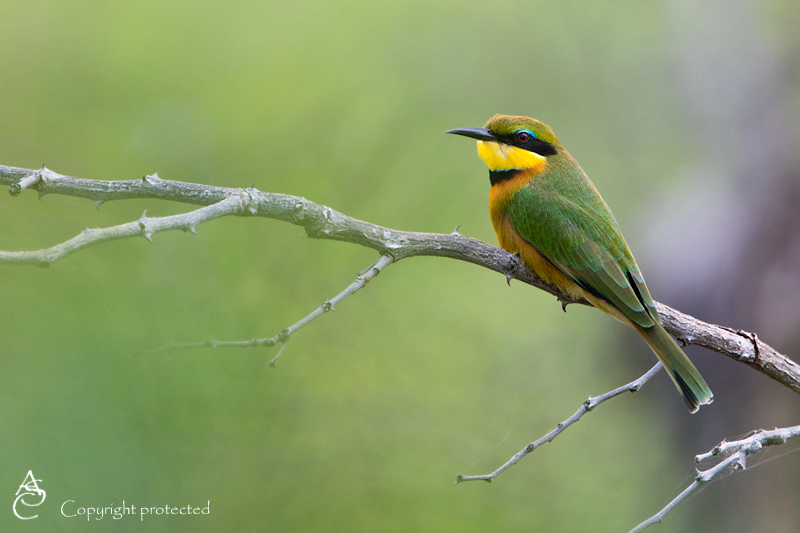
In a clearing on the riverbank, we spotted a pretty Little Bee-eater on a dry branch (Specie number 57) and not long after, it was joined by a juvenile. Since the clouds had thinned to let in some soft, gorgeously filtered sunlight, we sat happily photographing these little beauties for a while.

BeeEater_FE5A0750 BeeEater_FE5A0700

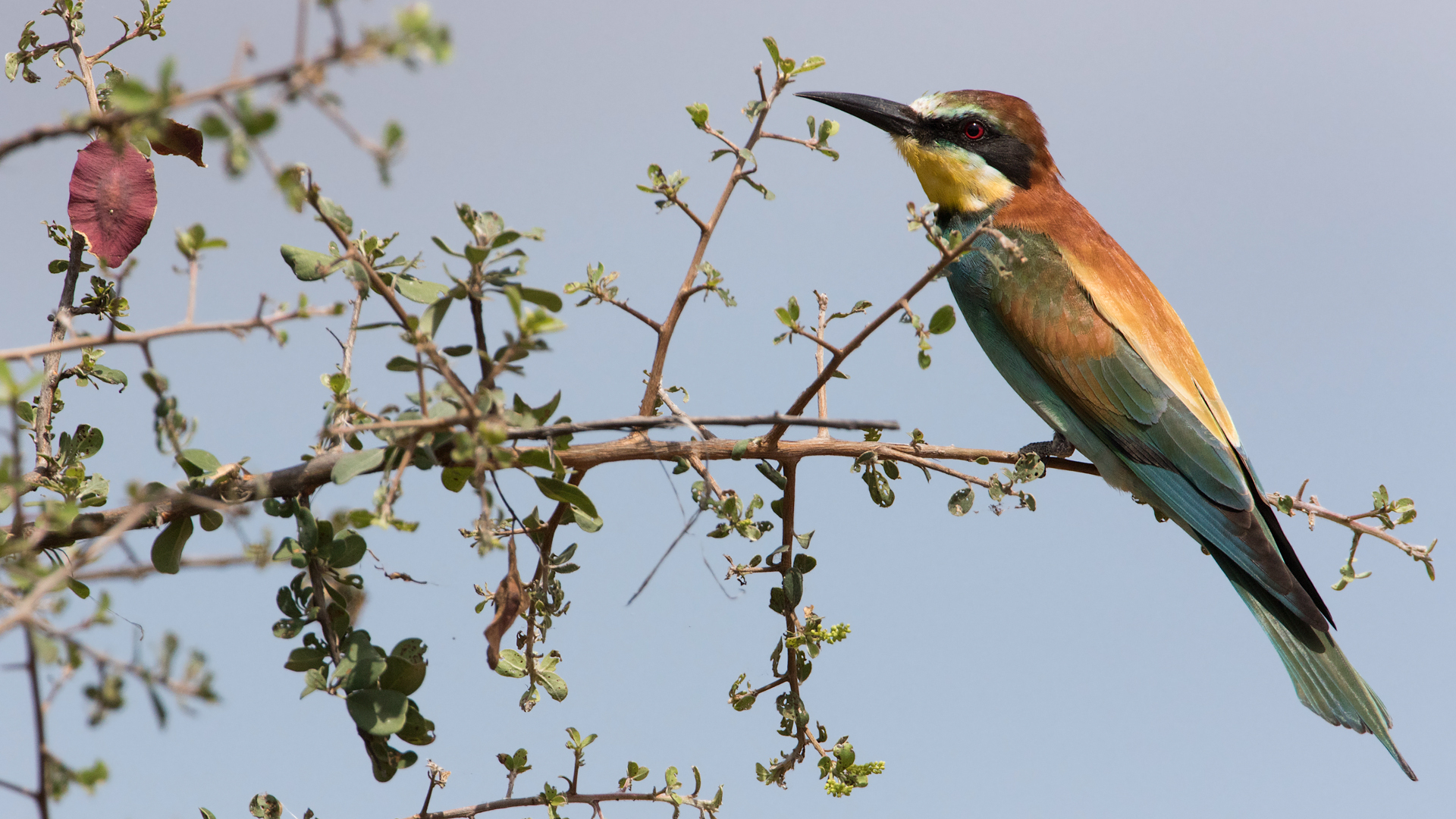
BeeEater_FE5A0698A short distance further, in another clearing next to the river, there was an entire flock of European bee-eaters, diving and hunting and generally putting on a show. Unfortunately the clouds had lifted too much by now, rendering the light too harsh for genuinely good photos.

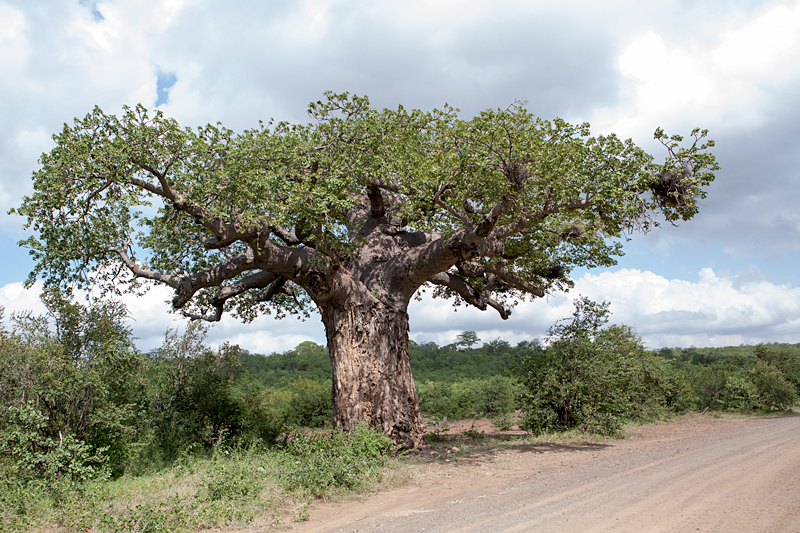
Since we had by now gone quite far down the s46, we decided that we might as well continue on to Olifants camp. The drive to Olifants was rather uneventful. A strong wind had come up, and so even birding was slow-going. We only ticked off one species – Red-backed Shrike (Number 58), and paused at Von Willich’s Baobab for a quick photo.

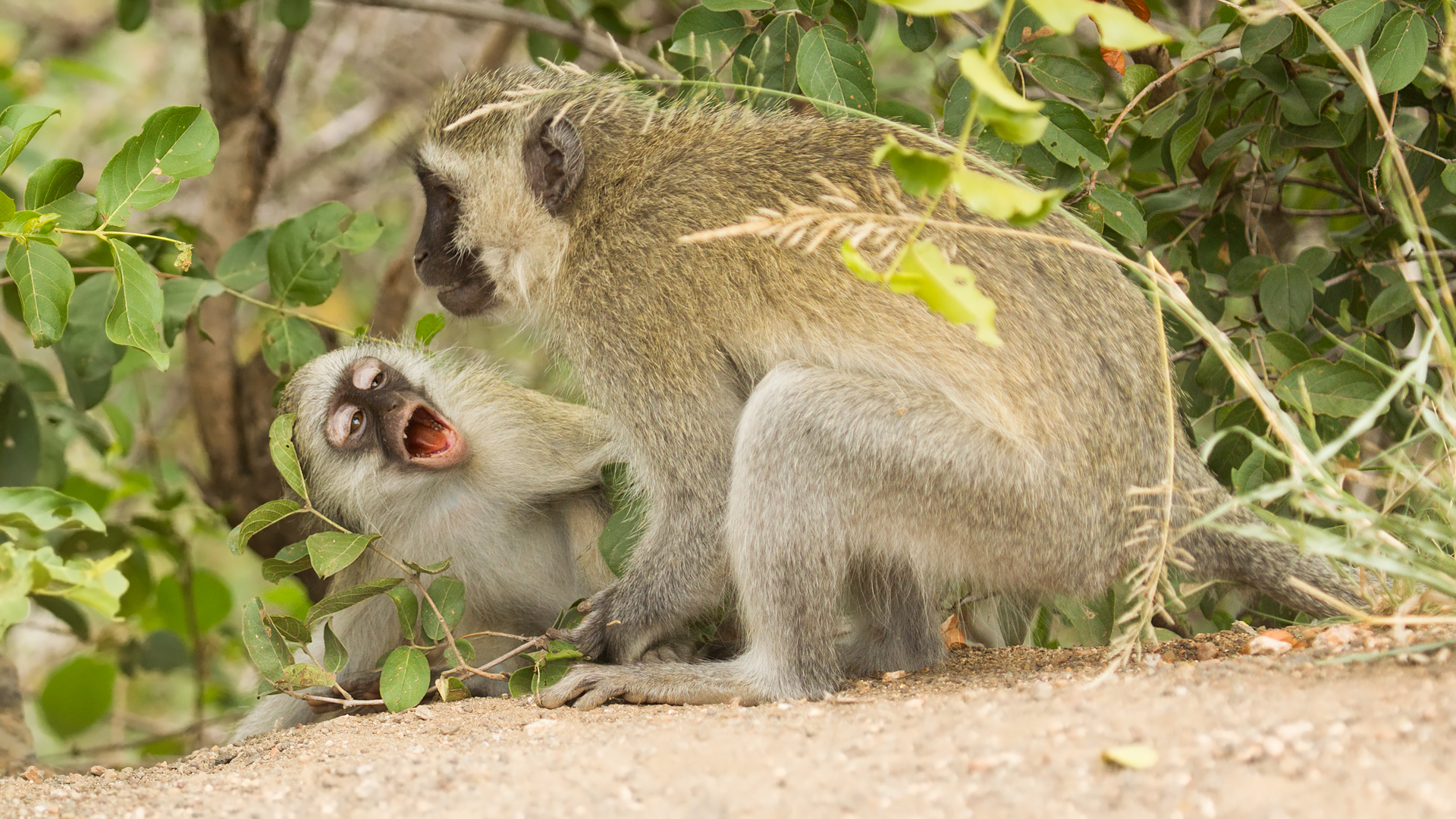
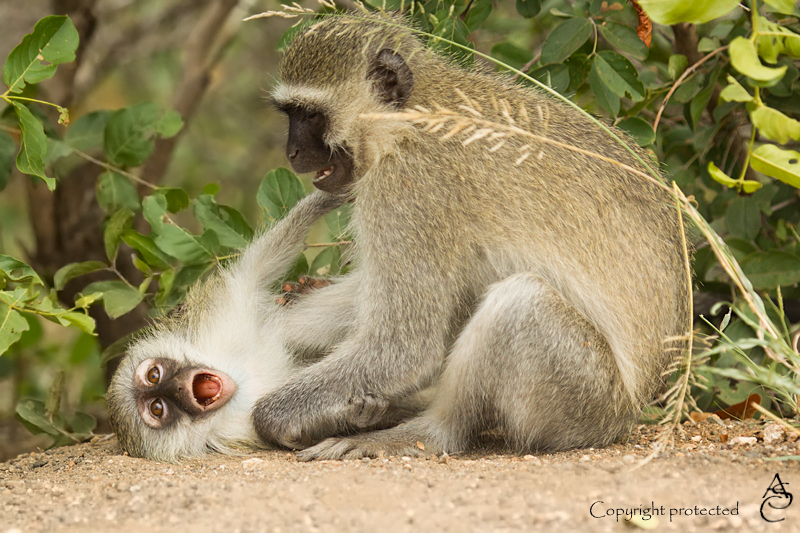
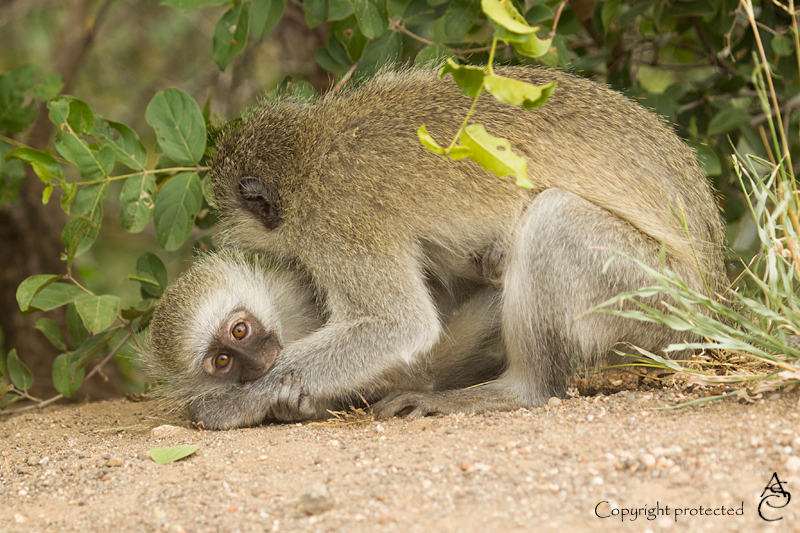
Baobab_IMG_8263At the camp, we ticked off two more species in the parking lot – Red-winged Starling and Burchell’s Starling, bought ice-cream and went to eat it out on the viewing deck, and one does at Olifants. But the wind – oh my! The viewing deck was rendered quite unpleasant, and even the ice-cream melted too fast. So we left again fairly quickly, and drove towards the N’wamanzi lookout. The view from N’wamanzi is always spectacular, and the wind here was much lighter than at the camp, so we spent a few minutes eating mini-cheddars and enjoying the view. As we stood looking, we noticed two young Vervet Monkeys playing in the bushes on the edge of the clearing. Baboons and Monkeys are always lots of fun to photograph, and the light cloud-cover had increased again, rendering the light quite reasonable for photography, so we reached for our cameras, and had some fun.

Ape_1D_2877 Ape_1D_2905

By now it was well into the afternoon, so we took the tar road back to Letaba. We still had a little over and hour till gate-closing time when we got to Letaba, so we passed by the camp, said hi to the Marabous roosting in the trees, and photographed some elephants having fun in the river.

Bird species between Olifants and Letaba:

  1. Common Buzzard
  2. Greater Honeyguide
  3. African Hawk Eagle
  4. African Wattled Lapwing
  5. Goliath Heron
  6. African Pied Wagtail

Only 9 species to go to our target!

We ended the day with a gorgeous sunset from the bridge over the Letaba river, before heading back to the camp to light the braai fire.

Shipandani & Letaba Day 2: Road to Letaba

Just before sunrise, we quickly packed up everything and moved everything except our cameras back to the car. We had hoped to take our seats on the benches again, ready for sunrise, but alas – there was no sunrise. Clouds cast the entire area in a gloomy twilight long after the sun was supposed to be up. We only managed to add one bird species to our list – Green-backed Heron (Number 28)

We finally left, and drove West, towards the Pioneer hide.

Francolin_1D_2441The drive up to the hide was peaceful, and stunningly beautiful. The hide itself was quiet (and cold!), The only sign of life was a Natal Francolin, calling for its family. We took a few shots, and turned around, back to Mopani, to return the hide keys – and get some coffee!

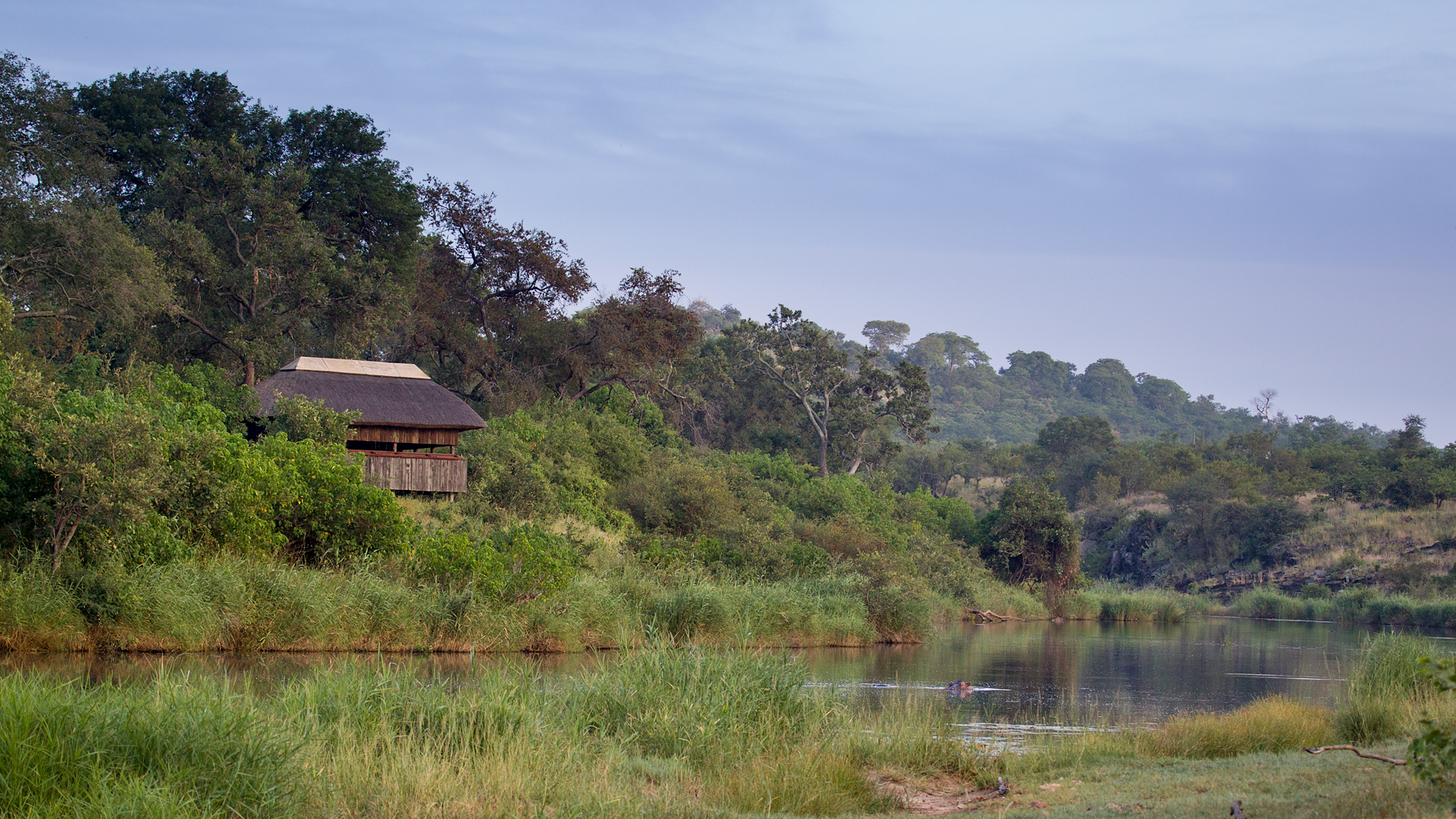
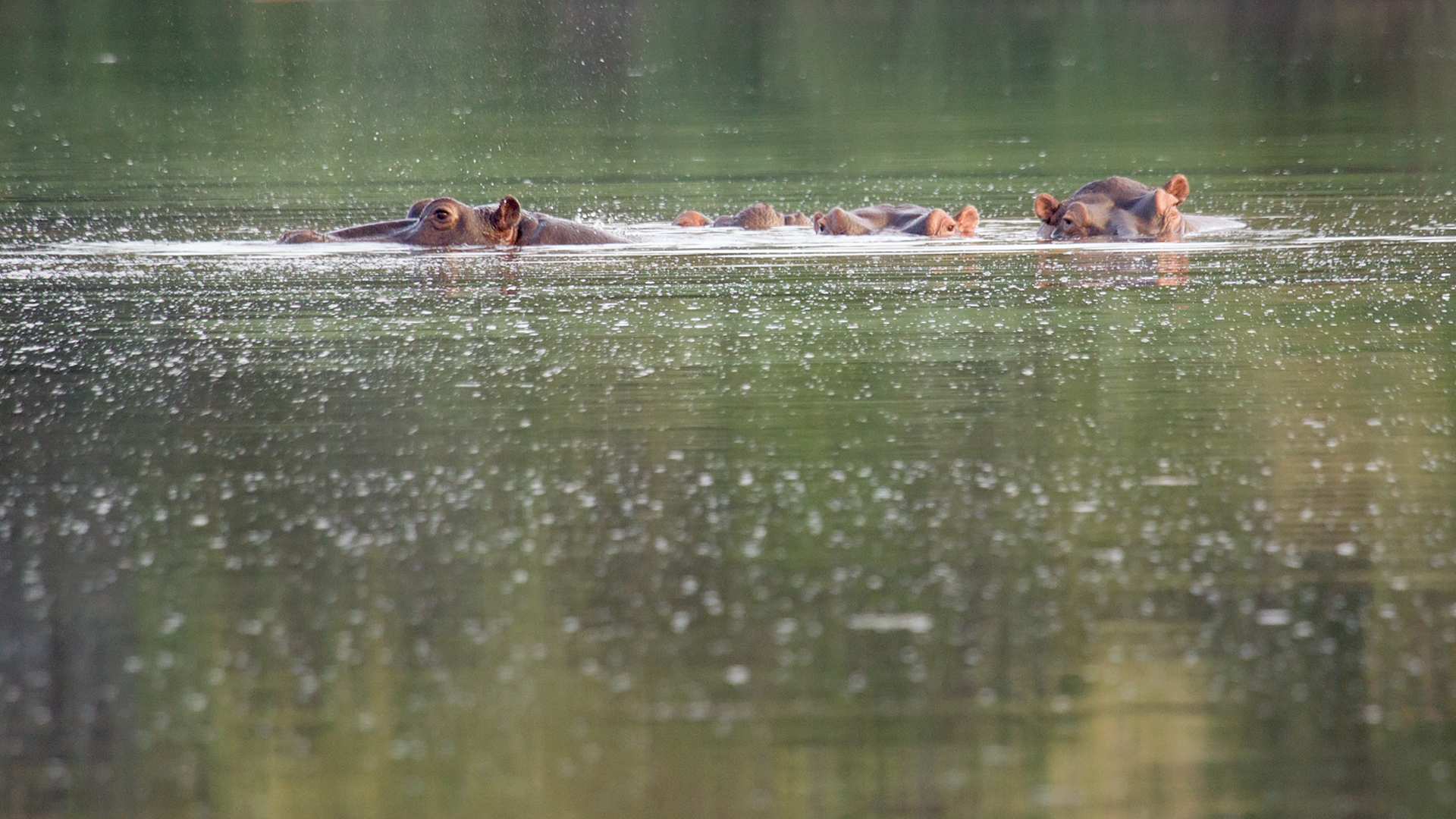
On the bridge over the Tsendze river, we took one last glance at the hide that was our home for the night, and the hippos that had kept us company.

While we were on the bridge, a raptor that we later identified as a Brown Snake Eagle flew over the car, and sat down lower down in the river bed. This, along with a Grey Go-away-bird keeping vigil in a tree-top on the river bank, and Black Crake pecking away in the shallows, brought the number of species to 31.

Sunbird_1D_2463At the turnoff to Mopani, we just had to stop – there were what seemed like hundreds of little swifts, ducking, diving, soaring and generally making flying seem like a lot of fun! Unfortunately we each only had a 100-400 lens with us, which is neither long enough, nor fast enough to get these little guys in flight. We did, however, manage to take some snaps of a sunbird!

After handing back the keys to the reception staff, and buying some takeaway cappuccinos, we headed for Letaba. We had only 50 km to cover and could only check in at 14:00, so there was no reason at all to hurry.

Elephant_1D_2598The heavy clouds made photography very difficult, but we did tick off more bird species from the viewing deck in Mopani:

  1. Black-headed Oriole
  2. Brown-hooded Kingfisher
  3. African Jacana
  4. Western Cattle Egret
  5. House Sparrow

as well as on the road:

  1. Little Swift
  2. Amethyst Sunbird
  3. Yellow-billed Oxpecker
  4. Wattled Starling
  5. Red-billed OxpeckerMaraboe_1D_2680
  6. Crowned Lapwing
  7. Magpie Shrike
  8. Southern Yellow-billed Hornbill
  9. Arrow-marked Babbler

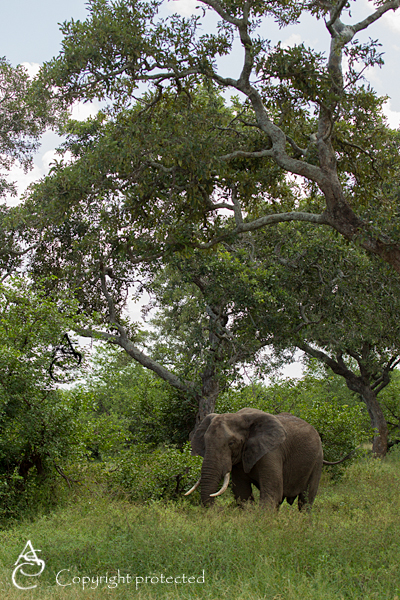
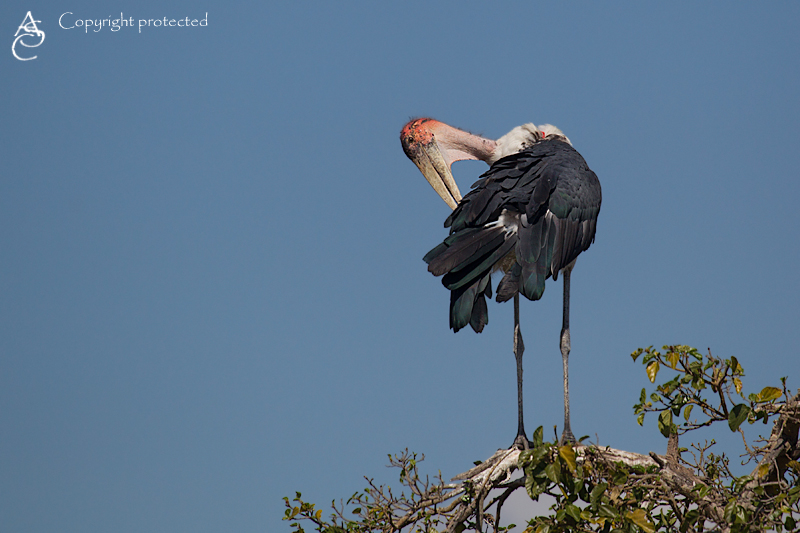
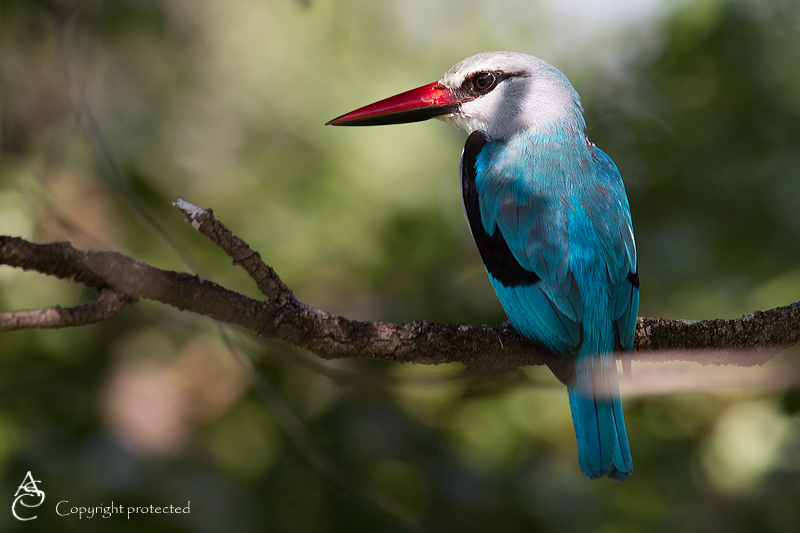
As we neared Letaba, the clouds lifted slightly, allowing soft light to filter through to a magnificent elephant standing among some huge trees. In the final stretch along the Letaba river, we saw a family of Marabou storks, as well as a few Common Sandpipers and a Three-banded Plover in the river bed. Just outside the camp gate, a very co-operative little Woodlands kingfisher, who just sat there chirping softly when we stopped right next to it to take some photos, bringing count up to 49 already.

Woodlands KingfisherWe arrived at Letaba around 3, checked in (as always, the staff were very professional and check-in went smoothly), and drove to our bungalow.

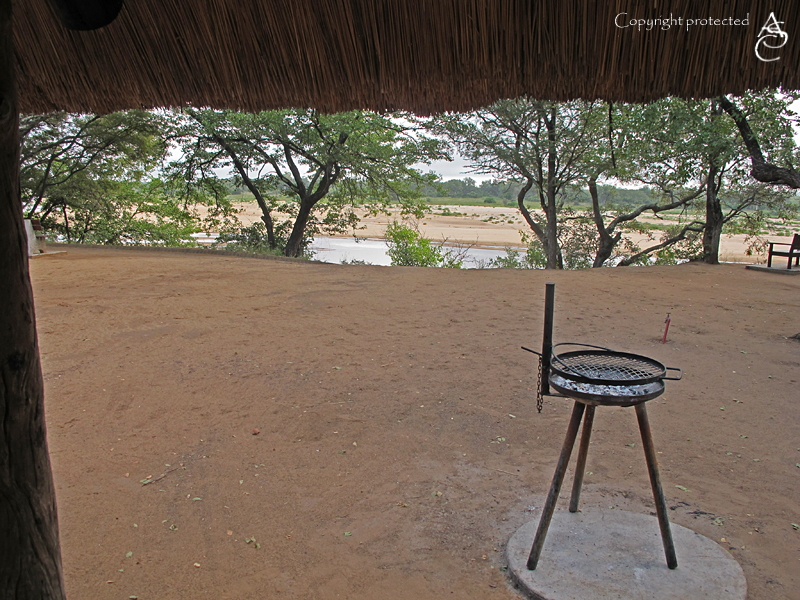
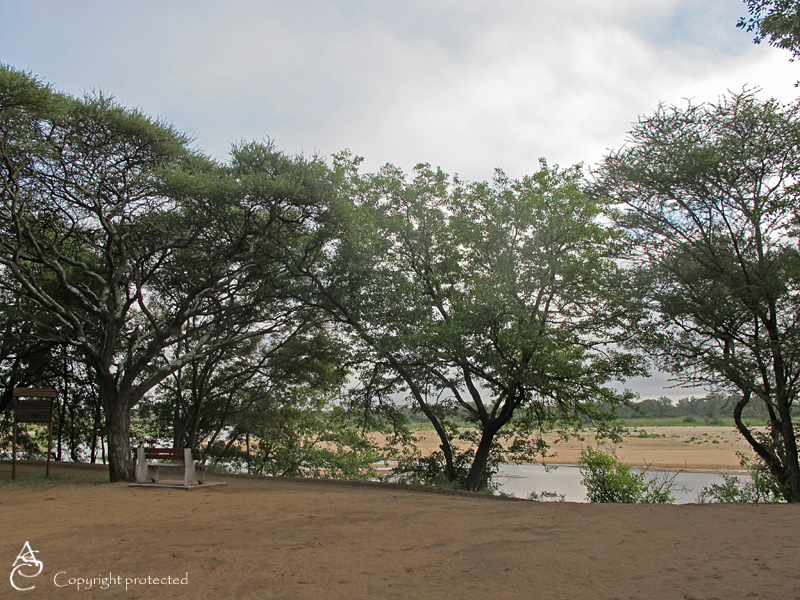
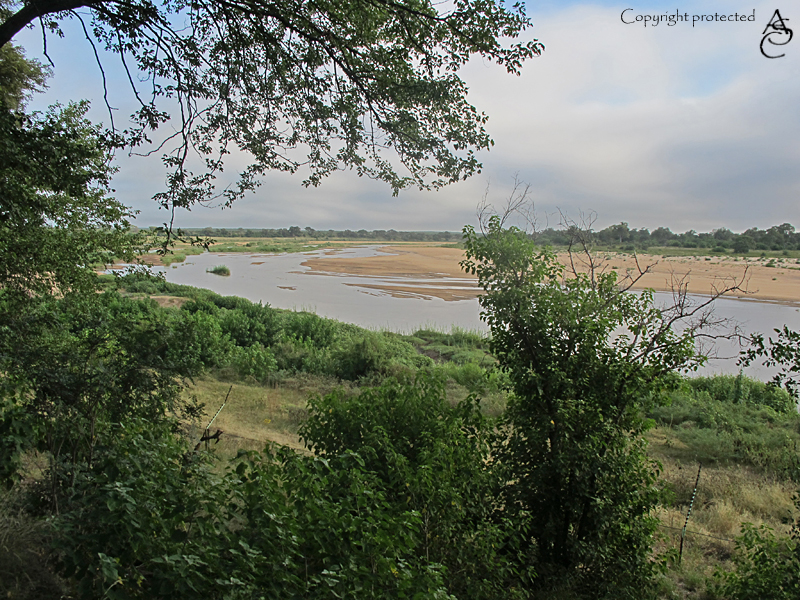
Letaba_1D_2693We had reserved the bungalow ahead of time and I knew I had picked a good one, based on the camp layout of photos on the SANParks forum, but – oh wow! It was by far the best situated bungalow we had ever had in Kruger! The interior was old – complete with the old, nostalgia-inducing green “Custos Naturae” tiles in the bathroom, but the view was nothing short of magnificent…

LetabaView_IMG_1713 LetabaView_IMG_1714
LetabaView_IMG_1717 LetabaView_IMG_1721

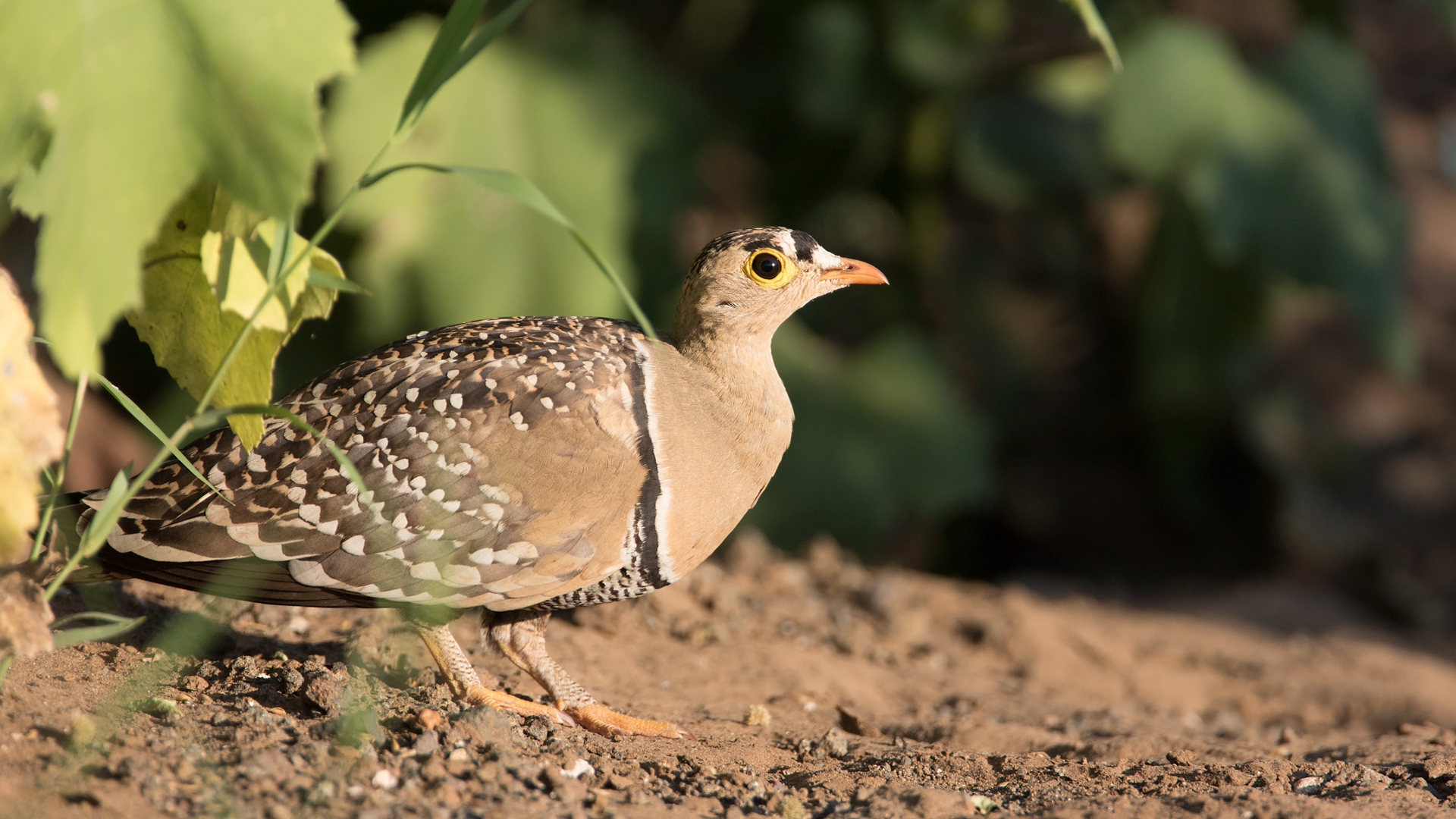
We unloaded the car, unpacked and set up our bigger lenses, and around 16:00 we were off again, exploring the S94 and S46, where we saw a Sabota Lark, spent a happy 30 min or so photographing a pair of Double-banded Sand Grouse and brought our closing species count to 52 with Kori Bustard – always a special sighting!

At sunset, we returned to the camp for a quick shower and dinner at the restaurant, after which we finally dumped our exhausted and sleep-deprived selves into bed and fell asleep to the sounds of hippos grunting in the river below.

Shipandani & Letaba day 1: A welcoming surprise!

We arrived at Phalaborwa gate around noon, after an uneventful drive. Check in went smooth, as usual, followed by a celebratory ice-cream. Since we were already inside the Park fence, we considered it fair to start counting bird species, and promptly ticked off the first few, while eating our ice-cream!

Then, after unpacking one camera each and mounting the Go-pros on the car, we were ready to enter that park. That special moment when you switch off the radio, lower the windows, and suddenly see nothing but bush around and ahead of you will never loose its magic!

Bird species at the gate:

  1. Fork-tailed Drongo,
  2. Lilac-breasted Roller,
  3. Crested Barbet
  4. Laughing Dove

First stop  – Sable dam (a.k.a. The elephant swimming pool!). What a sight! Dozens of Elephant, drinking, swimming, playing, play-fighting, fighting and generally enjoying themselves… It is a great pity that the light was absolutely horrible by then, but that didn’t make the sighting any less enjoyable.

Bird species between the gate and Sable Dam:

  1. Bateleur
  2. European Bee-eater

And at Sable Dam:

  1. Egyptian Goose
  2. Blacksmith Lapwing
  3. Water Thick-knee
  4. African Spoonbill

All too soon, we had to hit the road again. We took the H14 towards Mopani camp, and had a relaxing hour or so, cruising through the thick Mopani forest with no other cars in sight, just taking in the smells of the bush, enjoying the beauty of nature and feeling the stress of the past 2 and a half years flowing out of our bodies.

About 18 or so kilometers down the H14, we found a little turnoff, leading to a viewpoint overlooking a stream, and spent much too long there, ticking off 8 more species.

Bird species at the river lookout:

  1. White-fronted Bee-eater
  2. Saddle-billed Stork
  3. African Hoopoe
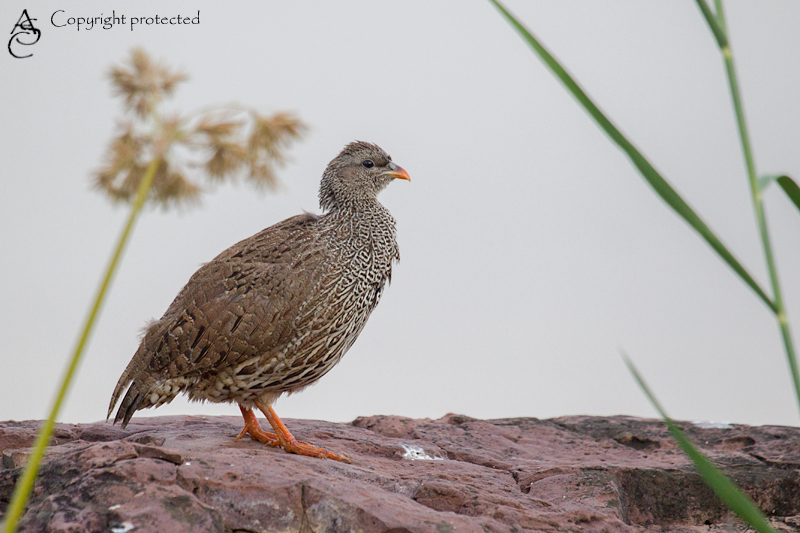
  4. Natal Spurfowl
  5. Pied Kingfisher
  6. African Fish Eagle
  7. Blue Waxbill
  8. Cape Glossy Starling.

We carried on, satisfied with our quickly-rising species count, but slightly frustrated that none of these sightings provided real photo opportunities.

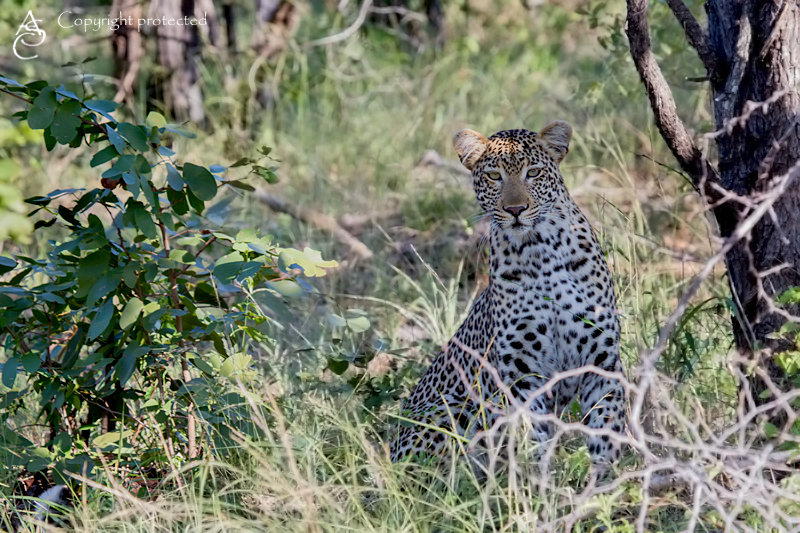
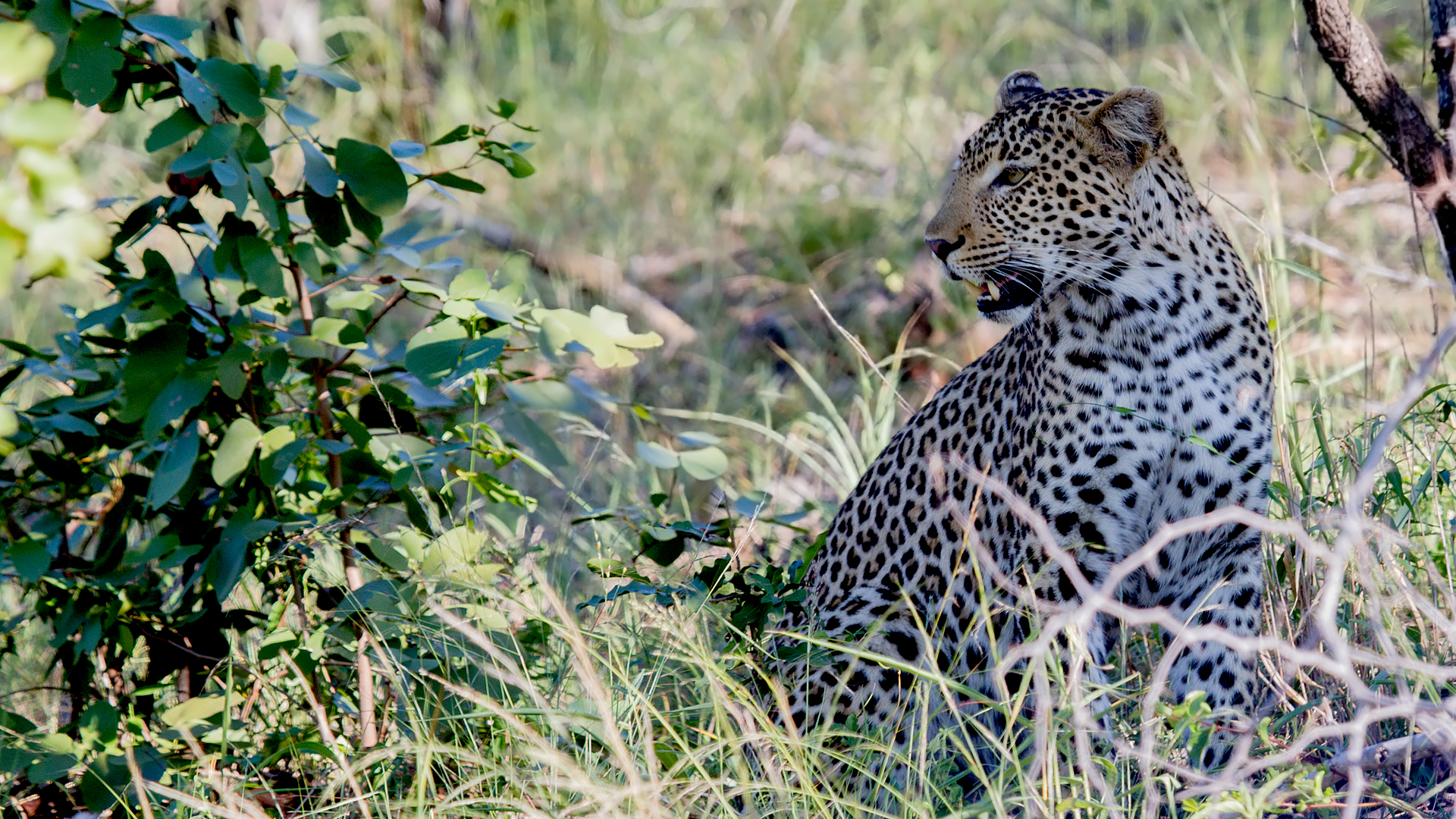
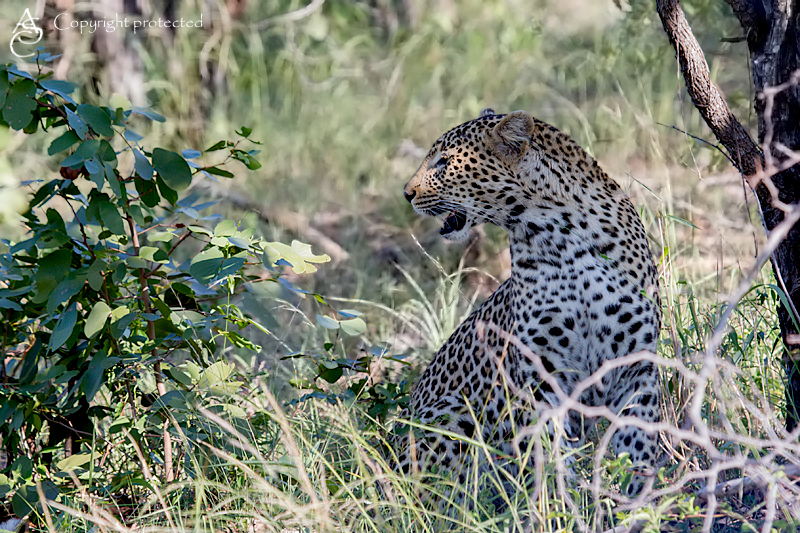
Leopard_1D_2292Suddenly, my eye caught a movement in the road ahead of us… I looked, and my jaw dropped. Still struggling for the right words, I looked at Johan and pointed. He was also pointing. Then he braked, and we stopped right next to the beautiful leopard, who had by now crossed the road, and sat down at the edge of the tree line, looking at us and posing like supermodel! We spent a few minutes photographing him, before he apparently got bored, yawned, and walked off into the thick bush. Within seconds he was nowhere in sight, and we only had our photos to prove that there ever was a leopard there!

Leopard_1D_2301Being seriously behind schedule now, we still managed to tick off a Lesser-striped Swallow, European Roller and African Grey Hornbill (19, 20 and 21), before arriving at Mopani about an hour before gate closure. We only had time for check-in and a quick visit to the shop to stock up on wood and charcoal before we had to drive to the hide.

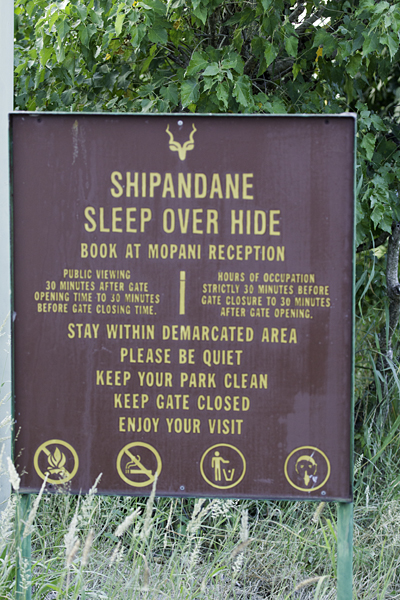
Shipandani_sign_1D_2344Activity at the hide was fairly slow, but besides the hippos and some lazy crocs, we did manage to tick off a few new bird species

Bird species at Shipandane

  1. Burchell’s Coucal
  2. Wooly-necked Stork
  3. Hamerkop
  4. Reed Cormorant
  5. Hadeda Ibis and the best of all –
  6. African Finfoot!

Then the sun went down and… Magic!

Thousands of fireflies everywhere! The sky above the river was filled with tiny specs of light. It was like a scene from a fairytale! We tried to take photo, but alas – no photo can capture that. So we sat and watched in amazement, until the moon came up and the fireflies started dispersing.

The rest of the night was quiet, but the atmosphere was still absolutely magical. Since the moon only rose after 9pm, we had ample time to admire the intensity of the stars – something that is always a huge treat to us city dwellers. We kept dinner simple – boerie rolls and coffee. Inside the hide once more, we resisted sleep, too caught up in the atmosphere and too afraid that we might miss something. Instead, we sat on the benches with two of the viewing slots left open, scanning the river bed with a spotlight every now and then. For some strange reason we whispered softly whenever we did talk, which wasn’t often. Mostly, the only sounds were the hippos snorting, some (sadly unidentified) birds and insects, and once – a lion roaring far in the distance. When we finally did sleep, it was for short bursts and one at a time, with the other one keeping a lookout.

About Shinadane hide

Shipandane is one of two hides in Kruger that can be booked for an overnight stay. It is located near Mopani Rest Camp, overlooking the Tsendze river, not far below the Pioneer dam wall.

When you check in at Mopani Camp, you are provided with a set of keys. These keys unlock the toilet (long-drop!), the gate that gives access to the braai area, the fold-down beds, and the cupboard containing mattresses for the beds. One of the staff members will also deliver a utensil box, bedding and some paraffin lamps to the hide, if you require it, at no extra cost. There is no running water, but we were told that we were allowed to shower/freshen up at Tsendze the following morning, although we didn’t do so.

The one downside for us, compare to Sable Dam, was that you cannot pull your car into the enclosure. This means that you cannot access your car after sunset and have to carry everything you will need into the hide, and carry it back out to the car at sunrise. It can become a bit of an issue if, like we did, you forget the butter in the fridge in the car!

My advice for staying in a hide –

  • Keep dinner simple. You don’t want to be outside, minding the braai, if something worth seeing happens in front of the hide.
  • The utensil box included a kettle suitable for use on the fire, but we took our own anyway, just to be sure. Coffee is essential!
  • Take warm clothes / sleeping bags. The draft through the hide gets freezing cold in the early morning hours.
  • Take a decent spotlight, but remember not to shine it into animals’ eyes!
  • Tale a cushion of some sort to site on. Those narrow benches get hard after a few hours!
  • Take extra snacks – if, like us, you feel that your time alone, at night, in the bush is too special to spend it sleeping, the night gets long.
  • Don’t make too much light in the hide. You can see better outside if you let your eyes become accustomed to the dark.